- Company
- About Us
- Brand Story
- Our Team
- Testimonials
- Ethical Code
- Sustainable Tourism
- Sustainable Tourism Mission Statement
- Corporate Sustainability Policy
- The carbon footprint of tourism
- Sustainability Feedback
- Dos & Don’ts
- Related Links to Sustainable Tourism
- Safe Travels Protocols
- Sustainability Guidelines for Activities
- Fair Trade Division
- Case Study : Keralavoyages
- Sustainability Progress Report
- Awards & Acknowledgements
- Sustainable Policies
- Privacy Policy
- Contact
- Services
- TRAVELERS PICK
- Sustainable Itineraries
- Tours in India
- Day Programs
- Special interest tours in India
- Luxury Tours in India
- Beach Holidays
- Culture, Tradition and Lifestyle
- Nature Trails
- Women Tours
- Family Holidays
- Nature Walks and Wildlife Safaris in India
- Backwater Tours in Kerala
- Ayurveda Holidays in Kerala
- Trekking & Camping
- Temple Tours in India
- Birding Tours in the Western Ghats
- Art Forms & Festival tours
- Tribal Village Tours in India
- Heritage Tours in India
- History & Archeology Tours in India
- Special accommodations in South India
- Active Holidays
- 12 Days Kerala, Karnataka and Goa
- 7N Multiple Days Trekking and Camping in Munnar
- Nature Walks & Wildlife – Western Ghats Birding & Safaris
- Nature Treks & Wildlife Safaris – Western Ghats Birding & Safaris Shorter Version
- Cycling & Trekking in Kerala – 15 days activity tour in Kerala
- 5 days trekking and staying at Jungle Lodges in Chinnar Wildlife Sanctuary, Munnar
- 14 Days Western Ghats – Nature Walks, cycling & Wildlife Safaris
- MICE
- Destination Wedding
- Destinations
- Exclusive
- Contact



Nature & Wildlife of South India
15 Days 14 Nights Nature & Wildlife of South India

South India is always known for the rich heritage and culture sheltered with the Nature’s greenery,flora & fauna,abundant wildlife in the Western Ghats etc.With the below program,we are trying to bring a perfect mix of the best of South India.Its all of an experience and adventure. There are many extra things to do along with this programme if your time permits. The possible explorations of tribal villages, people and life etc are some of the options.
Day 01 – Bangalore
On arrival at Bangalore, you will be met by our meet & greet team and transferred to your Hotel. Rest of the day to relax after your long travel. Evening you may opt to visit the Bull Temple and Lal Bagh Gardens to see the evening public life of Bangalore. Overnight at the Hotel.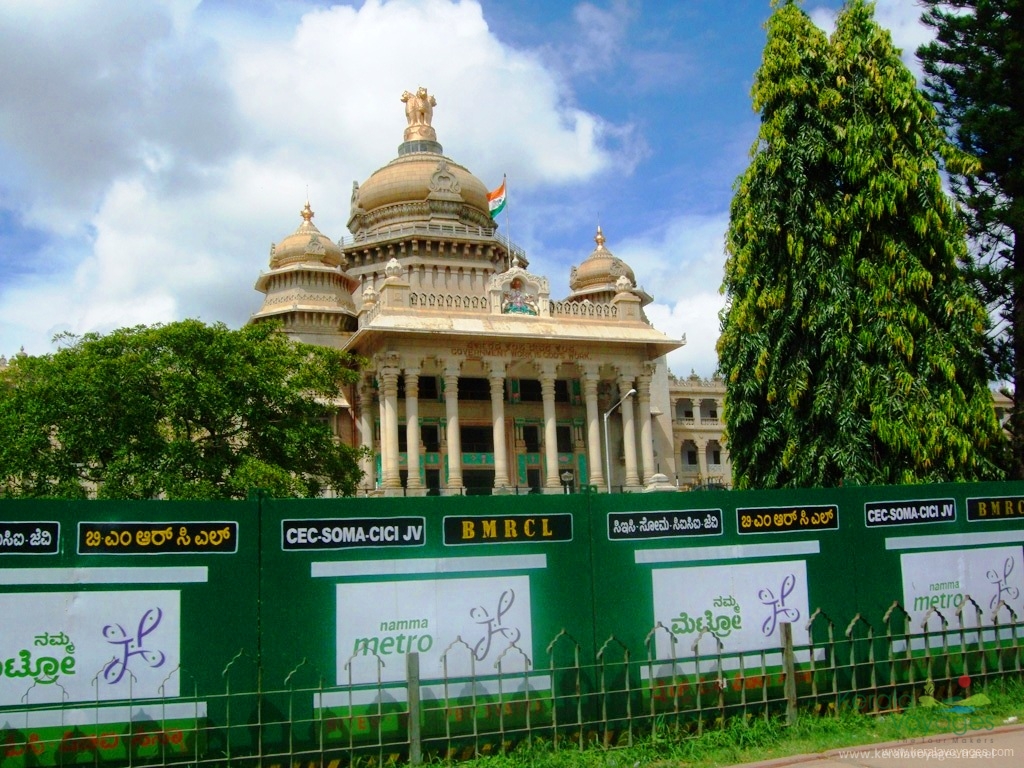
Bangalore is the capital of Karnataka and best known internationally as an IT hub that rivals silicone valley. It is easy to see why it is the favourite of the Tecchies with its salubrious climate, its tree-lined avenues, its trendy bars and clubs, it is a city of striking contrasts. Bangalore today is Asia’s fastest growing cosmopolitan city. The Vidhan Soudha is a major attraction which presently functions as the state legislative assembly and a marvelous example of Neo-Dravidian architecture. The City boasts of spacious gardens, parks, tree-lined avenues, a profusion of flowering trees and lakes earning it the synonym of Garden City. With its booming economy and racy lifestyle, the capital of Karnataka has metamorphosed from a sleepy Garden City into one of India’s fastest growing cities.
Bangalore is still popular for maintaining the Green inspite of the expansion of the City as one of the Metros of India.The Cubbon Park in the heart of the city, Lal Bagh (famous for the blooming red roses), and the Bangalore Palace are some of the other must see attractions of this garden city. The Tipu’s Palace and the adjoining fort are fine examples of Indo-Islamic architecture that also offer a glimpse into the Mughal lifestyle of the day. Besides, one can also visit the Aquarium, which is the second largest in the country.
Day 02 – Mysore
Morning, after breakfast drive to Mysore.(150 Kms/ 03 Hrs). Enroute visit Srirangapatanam and Somnathpur. On arrival in Mysore, check-into the hotel. Evening you may visit the local market and if it’s a Saturday or  Sunday , you may have look at the Maharaja’s Palace in the night fully lit. Overnight at the Hotel.
Srirangapatna is city of historic, religious, and cultural hub situated in Mandya district of Karnataka, just about 13kms from Mysore. Here you will come across the entire town as an island enclosed by River Kaveri. This history-rich town was the capital of the Warrior-Kings Hyder Ali and his son Tipu Sultan – The Tiger of Mysore.
Fort : It is from here that Tippu charged at the British soldiers with his legendry sword. An obelisk in the Fort marks the place where he fell – betrayed by his own men. Within the Fort is a Mosque and the Sri Ranganathaswamy Temple.
Daria Daulat Bagh : Built in 1784, this Summer Palace was one of Tipu’s favourite retreats. It stands on a raised platform at a height of 1.5 metres. The Bagh is situated on the banks of Cauvery river has treasured the paintings, engraving, arms that depict the Valant victories and Struggles of Tipu Sultan. The structure made of teak, this Indo-Saracenic structure has ornate and beautiful frescoes. The corridors showcase murals which describe Tipu’s ordeals in the battlefield against the British.
Museum showcases painting with Tipu wearing a turban, a striped shirt, a necklace and a belt adornedwith precious stones with a sword attached. In 1792, G F Cherry painted the portrait. One more portrait was made by Jony Zoffany in 1780. There are pencil sketches of the Tipus sons, minister of the Nizam, his son, Krishna Raja Wodeyar III his maternal uncle, Nandi Raja all drawn by Thomas Hickey, an English artist between 1799 and 1801. The museum boast ofcollection of coins of various denominations of those times and medals made of bronze, silver and copper issued by the English to commemorate their victory over Tipu.
Masjid-E-Ala or Jamia Masjid : The mosque situated near the Bangalore Gate of the fort buit by Tippu Sultan It is said that he performed the first imamath himself. standing on a high basement with an open court in the open court in the front and a covered verandah with a spacious prayer hall with the “Mihrab” on the west. There is an inscription mentioning the ninety-nine names of Allah and another records the date of its construction by Tippu in 1787 A.D. There are 2 minarets that are double storied and octagonal in shape with pigeonholes surmounted by domes that adds to the grandeur of the entire structure. There are 200 steps leading to the top of the minarets from where one can get a picturesque view of the Masjid.
Gumbaz :Mausoleum of Tippu Sultan, and his father Hyder Ali and mother Fathima Begam. This was built by Tippu Sultan between 1782-84, the Gumbaz, an imposing structure in the midst of the Lalbagh garden, stands on a high and wide platform with an open verandah of polished pillars all round. The importance of Gumbaz lies in its well-shaped large dome, ivory inlaid doors, carved stone windows of fine workmanship and inscriptions. Tipu’s favourite Tiger stripes cover the walls. Inside are the tombs of Haidar in the center, his wife and his son Tippu on either side. In the verandah and on the platform are the other tombs of Haidar’s family members.
Colonel Bailey’s Dungeon : Named after Colonel Bailey who died here in 1780 A.D., this dungeon was used to imprison Captain Baird, Colonel Brithwite, Captain Rulay, Frazer, Samson and Lindsay by Tipu Sultan. The dungeon measures 30.5 metres width 12.2 metres height and is built of brick and mortar. Prisoners were chained to stone slabs fixed on its walls. During the seige of Srirangapatnam, one of the cannons rolled back, pierced the ceiling and fell into the dungeon. One can see them still lying there .
Somnathpur, a tiny village on the banks of the Kaveri, 140 kms, south-west of Bangalore. This place boasts of one of the last and the grandest of Hoysalamonuments – the Kesava Temple. The riches and splendour of the Hoysala court were already evident in their grandtemples at Belur and Dvarasamudra (present day, Halebid). The temple, however, was built by this celebrated army commander, Somnath. Some year ago he had founded a village on the left bank of the Kaveri River, which he named Somnathpur, after himself. All the facts are duly mentioned on the slab in old Kannada script and appear as though to have happened yesterday!Somnathpur is more representative of the age, since it did not suffer destruction as much as Belur and Halebid did and hence offers a more unbroken view of period’s architecture. Often it is referred to as the poor cousin of Belur and Halebid. Its unique design and perfect symmetry are ignored amidst the farms and agricultural lands of surrounding villages.
Day 03 – Mysore
Day to explore the royal Palace of Mysore and the rich heritage. Mysore is 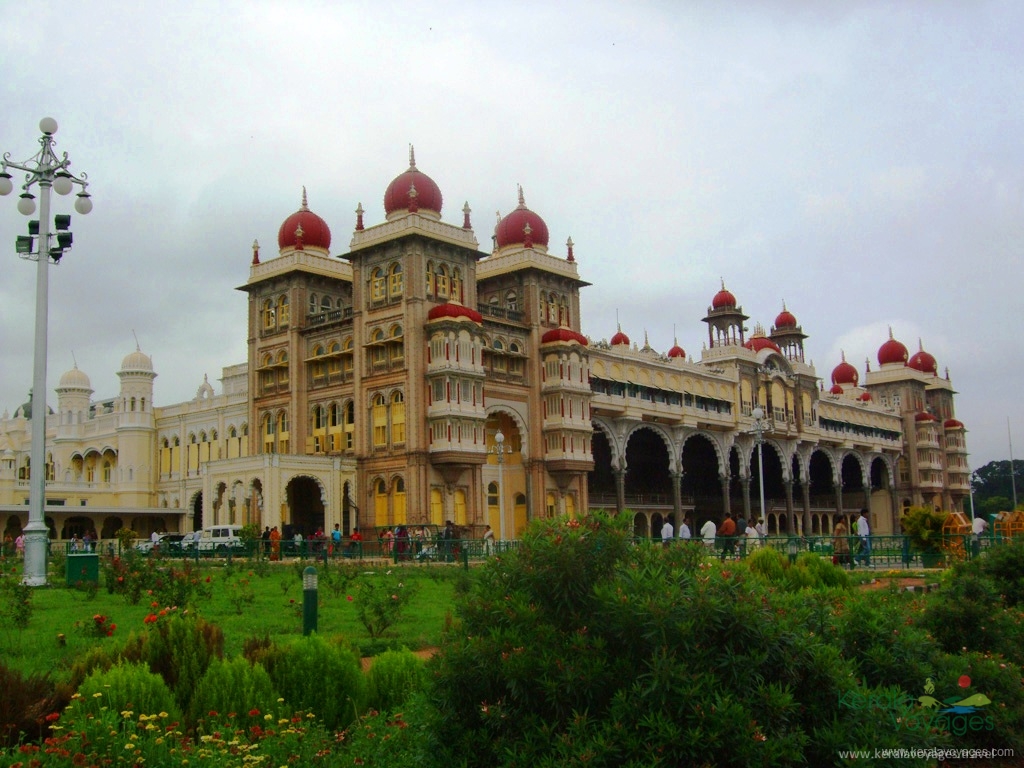 known as the city of Palaces and the entire architecture and decorum of the place is in harmony with the Royal style for which Mysore is known.Today you will visit, Maharaja’s Palace, Chamundi Hills, Nandi Bull etc. Evening you may opt to go for a shopping. Mysore Silk is very popular and worth to have a look. Overnight at the Hotel.
Mysore, the capital city of the Wodeyars has always enchanted its admirers with its quaint charm, rich heritage, magnificent palaces, beautifully laid-out gardens, imposingbuildings, broad shady avenues and sacred temples. There’s an old world charm about the city that reaches out and leaves no one untouched. Visit the palace of the Maharaja built in 1911-12. The palace is of harmonious syntheses of the Hindu and Saracenic styles of architecture with archways, domes, turrets, colonnades and sculptures which are magnificent. Visit the Art Gallery; drive up to Chamundi hill to see Chamundeshwari Temple & a panoramic view of Mysore. On the way back, see the Nandi Bull. Mysore is known the world over for its exotic sandalwood and rich silks. Mysore, an undulating tableland, covered in parts by granite outcrops and fringed by verdant forests, offering several attractions ranging from the royal splendor of Mysore City and its fabulous Dasara Festival to exquisite temples, pilgrimage centres and scenic spots.
Maharaja’s Palace is a synonym for Mysore in the Tourist Map.Its built in Indo-Saracenic style with domes, turrets, arches and colonnades. The Palace is a treasure house of exquisite carvings and works of art from all over the world. The walled Palace complex houses the Residential Museum, temples and shrines including Shwetha Varahaswamy Temple. The jewel studded golden throne,the pride of the Wodeyars and the symbol of their sovereignity, displayed here during Dussehra festival in October. The Palace will be lit with One Hundred Thousand electric bulbs on Sundays and Public Holidays.
Day 04 – Mysore-Kabini (50 kms-1.5 hours drive)
Morning, proceed to Kabini. On arrival, check in at the Hotel. Rest of the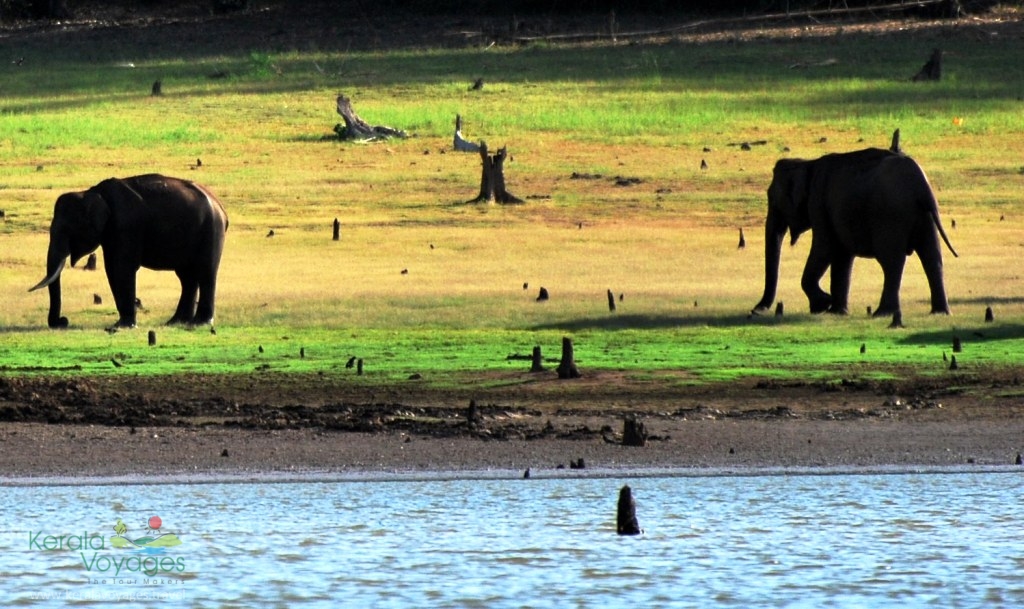 day to explore the wildlife. Overnight at the Hotel in Kabani.
Nestled amidst the Karapur Forest lays a pristine piece of land that abounds with nature. Beckoning you to explore it for a wild exciting holiday. The steep valleys with rich forests, spectacular pools and rapids provide an ideal opportunity to revive your adventurous spirits.
Day 05 – Kabini (Nagarhole National Park)
Early morning go for a guided Jeep Safari through the National Park. Rest of the day free for boating in the Kabini River or free walks. Overnight at the Hotel in Kabani.
Nagarhole , a Kannada name has meaning of Snake River. The name derives from the winding course of the river that flows through the forests. Nagarhole has an astonishing abundance of wildlife, especially the Asiatic elephant. The backdrop of the distant misty blue Brahmagiri Mountains, the natural sounds of the jungle, the gurgling of streams and rivers and the twittering of the birds, make a trip to Nagarhole a memorable experience. 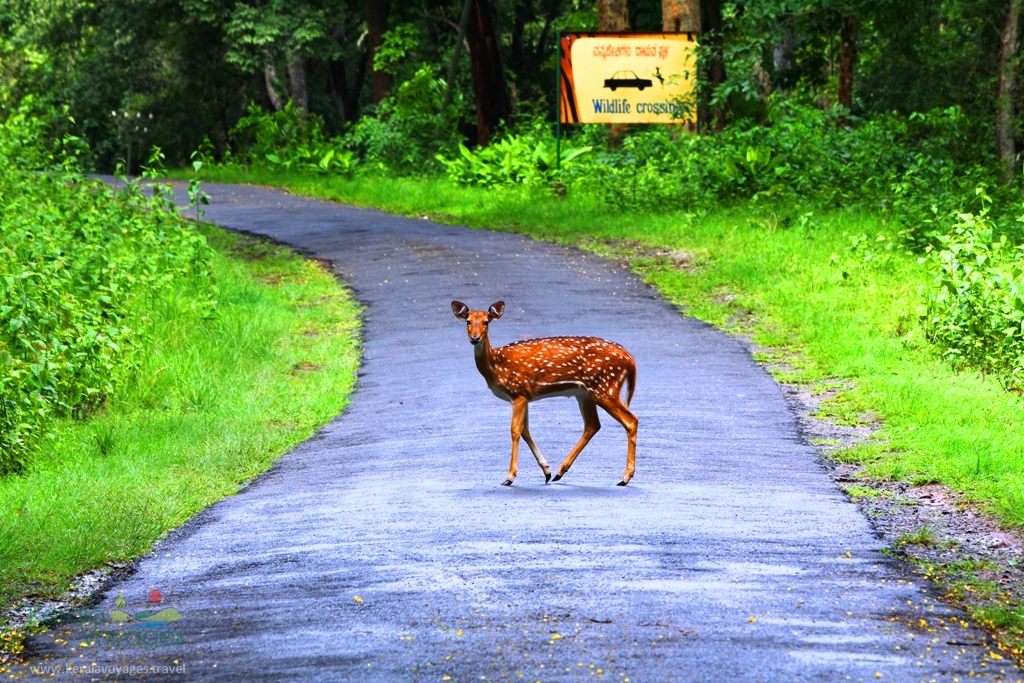 It has an area of 643.39 Sq.km. Covered mainly by moist and dry deciduous forests, and dominated by teak, rosewood and dry deciduous forests in the eastern limits of the peak. Mammals include elephant, tiger, leopard, wild dog,sambar, barking deer, sloth bear, wild boar, Indian bison, mouse deer, spotted deer, slender loris, black –naped hare, jackal, langur, wild pig, porcupine, Malabar squirrel, striped hyena and four-horned antelope. Birds in this Park consists mainly of Herons, storks, egrets, ducks, kites, egales, falcons, partridges, peafowl, lapwings, sandpipers, woodpeckers, sunbirds, wagtails, warblers, babblers, shrikes and owls. Reptiles commonly found are marsh crocodile, star tortoise, common indian monitor, chameleon, rat snake, Russell’s viper, common krait and Indian python.
Day 06 –Nagarhole-Coorg
After breakfast, drive to Coorg.Enroute visit Siddapuram. Later visit Tibetan settlement. Dinner and overnight stay at the Hotel.
Tibetan Monastery: His Holiness, Pema Norbu Rinpoche, established Namdroling Monastery shortly after he came to India from Tibet. His Holiness the Dalai Lama consecrated the spot and bequeathed the name “Namdroling Monastery.” Today the monastery is home to nearly 5000 monks and nuns, renowned as a center for the pure upholding of the teachings of the Buddha. Now, the Namdroling Nyingmapa Monastery is the largest teaching center of Nyingmapa; a lineage of Tibetan Buddhism in the world. The monastery is home to a sangha community of over five thousand monks and nuns, a religious college (or shedra) and hospital.The huge investment of time and energy made by Penor Rinpoche to build his monastery has borne abundant fruit. Among those who have studied, or are studying, at the monastery, are all the major lineage holding tulkus and lamas of the Palyul tradition, including the fifth Karma Kuchen Rinpoche, the third Choktrul Rinpoche and the third Rago Choktrul. Their spiritual training is directed and guided by Penor Rinpoche himself. Namdroling Monastery in Bylakuppe also has a retreat centre, opened in 1985, where thirty monks undergo an intensive three-year retreat. Penor Rinpoche personally instructs them in the Dzogchen Longchen Nyingtik cycle. Every autumn, according to the tradition of the Palyul Monastery, he gives instructions on Ngondro, Tsalung and Dzogchen from the Namcho cycle of Terton Mingyur Dorje. Students attend this one month retreat from the Institute, monks from the monastery and lay people. It was Penor Rinpoche’s dream, and something he continues to emphasize, that students would be able to combine in-depth, intensive study with practice, and now the monastery offers the perfect setting in which to do this.It is a must visit for those interested in Buddhism and its philosophy or just in general to see the hub of the burgeoning of Buddhism in India.
Day 07 –Coorg
Full day at Coorg.You may opt to go for a plantation walk or visiting the nearby village etc. Overnight at Resort.
Day 08 –Coorg- Vythiri
After Breakfast, proceed to Vythiri. Rest of the time free at the resort to enjoy the Nature.You may opt to go for a Nature walk with the Naturalist at the Resort. Overnight at the resort.
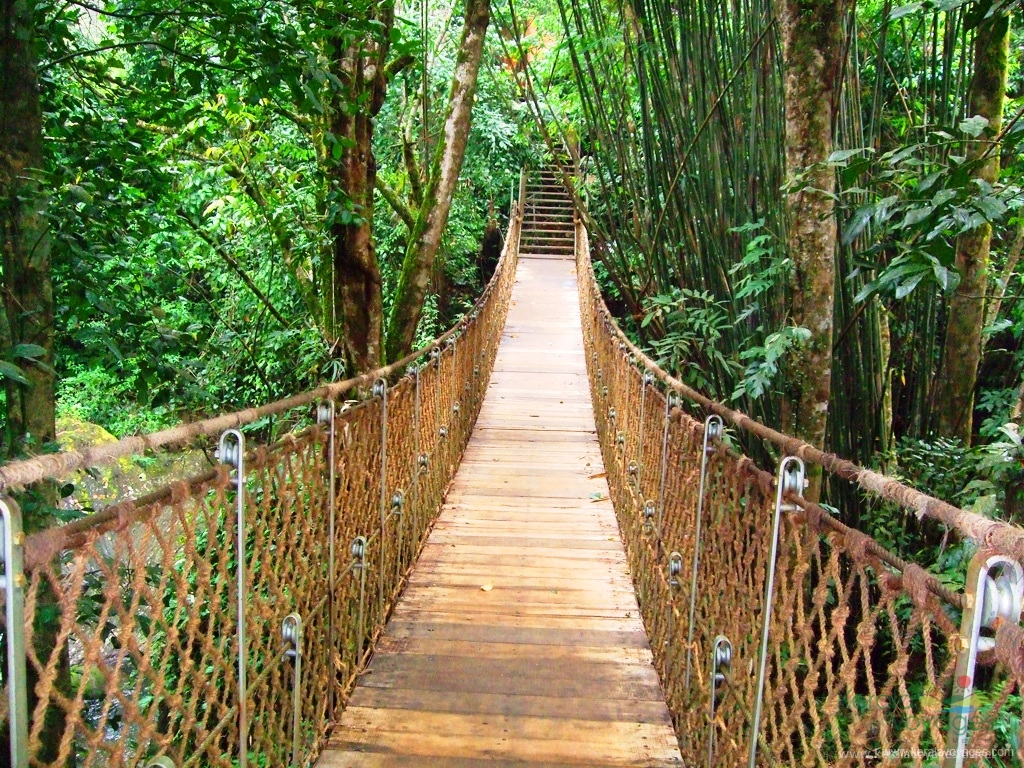 Wayanad, one of the districts in Kerala that has been able to retain its pristine nature. Hidden away in the hills of this land are some of the oldest tribes, as yet untouched by civilization. Wayanad is known for its picturesque mist clad hill stations, sprawling spice plantations, luxuriant forests and rich cultural traditions. Rains at Vythiri Village are like poems of nature wrapped in nostalgia as they bring the warmth of the earth to meld with the misty clouds. The aroma of the soil mingles with the wetness of the air and tingles our senses like the caress of a cool wind. Further, the little stream lowing creates a beautiful sound and whoever listens to it feels the beauty of nature. One gets easily mesmerized with the beauty of the surroundings.
Day 09 – Vythiri
After breakfast, you may take a desirable option for sightseeing. The options are like Pookkot Lake, Soochippara Waterfalls and Banasura Dam. Otherwise you may opt to go for a day trip to Kuruva Islands. Sometimes, you may not prefer to come out of your resort because of the amazing Nature around you. Dinner and overnight at resort.
Pookot Lake: Set in a beautiful valley and surrounded by evergreen forests and wooded hills, Pookote is one of Wayanad’s top visitor draws. This natural lake near Lakkidi is just a short distance off the National Highway 212. It has been developed as a recreational centre having boating facilities, children’s park, shop for souvenirs and spices, and a fresh water aquarium. Replete with a café and restaurant, this is a good setting for day outings with family.
Soochippara Waterfall: The waterfalls at Soochippara near Meppadi are really a treasure of nature, yet to be discovered. The stretches of waterfalls ranging at places from 100 to 300 feet height are a treat to the eyes. The pool below provides for water rafting, swimming, bathing, etc. The tree top huts at Soochippara give a unique view of the valleys of the Western Ghats and the glimmering shallow waters of the surrounding spring.
Kuruva Island: The Kuruva islands are a group of three islands located in the middle of one of the tributaries of the east-flowing river Kabani. This 950 acre tract of uninhabited land is rich in flora and fauna. Rare species of birds, orchids and herbs can be seen here. It is a must see destination for nature lovers and a popular picnic spot.
Banasura Dam: The Banasura Dam is built across Karamanathodu, a tributary of the Kabini River, and is part of the Banasura Sagar Project aimed at supplementing the Kakkayam Hydro-electric project, and to provide drinking water and irrigation facilities to the region. It is the largest earthen dam in India and the second largest in Asia. The islands that were formed when the reservoir submerged the surrounding areas make a pretty sight against the backdrop of the Banasura Hill. Boating is a favorite activity here.
Day 10 –Vythiri – Cochin – 7 hrs
After an early breakfast, drive to Cochin. Enroute stop at Guruvayoor to visit the elephant Camp. On arrival at Cochin, check into your hotel for overnight stay.
Cochin known as ‘queen of the Arabian Sea’ is the commercial capital of Kerala and perhaps the second most important city on the west coast of India. From time immemorial, the Arabs, British, Chinese, Dutch, and Portuguese have left indelible marks on the history and development of Cochin. From time immemorial, the Arabs, British, Chinese, Dutch, and Portuguese have left indelible marks on the history and development of Cochin. Over the years, Cochin has emerged as the commercial and industrial capital of Kerala and is perhaps the second most important city on the west coast of India. Cochin has Asia’s best preserve Synagogue, the Dutch Palace and the oldest European Church in India – the St. Francis Church.
Day 11 – Cochin
After breakfast drive to Poothotta Backwater Village for a guided Country Boat Cruise through an island village to watch the backwater village life 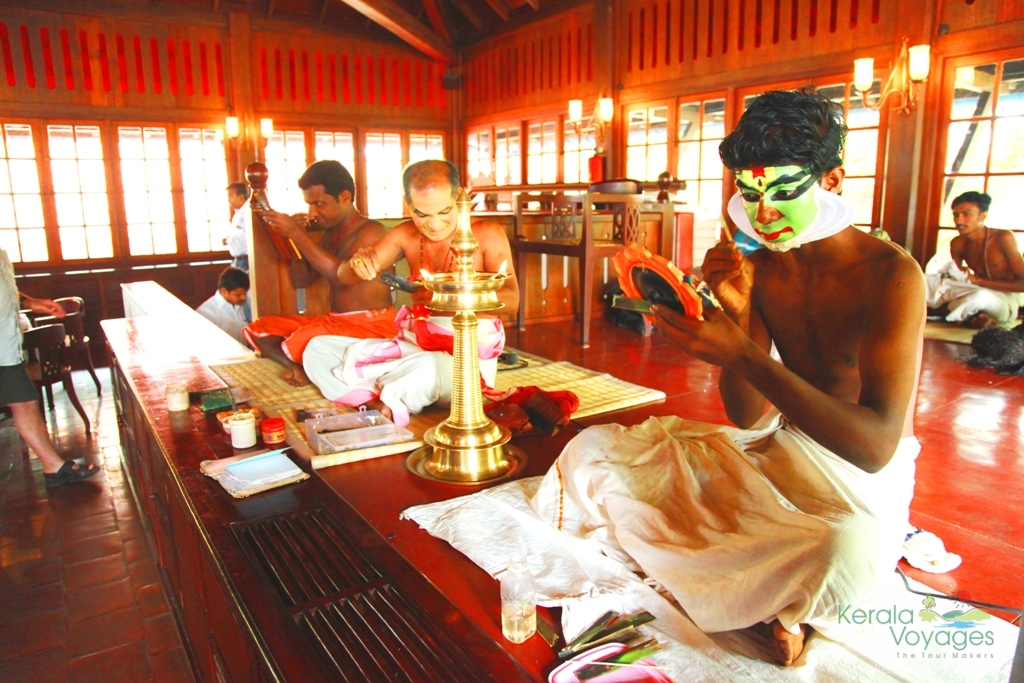 followed by lunch at a farm house. Afternoon for sightseeing of Cochin. Evening visit Greenix Theatre to witness a fusion of Indian art forms. Overnight at the Hotel.
Village backwater Cruise – A journey in a country boat into the pristine purity of a typical village backwater of Kerala…. goes through the zigzagging narrow canals and paddy fields fringed with coconut palms… watch rare birds… country boat making… a natural fish farm where you can go fishing…. You will witness coir making, toddy tapping before you end up your exclusive experience in our Farm House for lunch -a delicious traditional Kerala dish under a tree… While scrolling through this amazing village, you will watch the common life of the villagers for their livelihood. You will see them fishing in the river,the women do the coir making, a toddy tapper who does his job as a routine,men climbing the coconut trees to pluck the coconuts, later peeling the same to prepare to dry and make oil extraction possible. Its all about a life experience which you will cherish throughout your life.
Cochin Sightseeing – St Francis Church, built in 1510 by friars brought to India by Vasco da Gama, is the first European church built in India and is the site where Vasco da Gama was buried. The Jewish Synagogue was built in 1568, Chinese hand-painted tiles are one of the attraction. This, the only Synagogue in India has a nostalgic past of a Jewish Diaspora. The “Dutch Palace” was built in the 1550s; the palace contains excellent mythological murals and a rare example of traditional Keralite flooring – a subtle mix of burnt coconut shells, lime, plant juices and egg whites – which gives the effect of polished marble.
Fort Cochin & Mattancherry are twin cities carry a flavor of the colonial era. Jewish, Arabs, Portuguese British all came to Cochin for trading and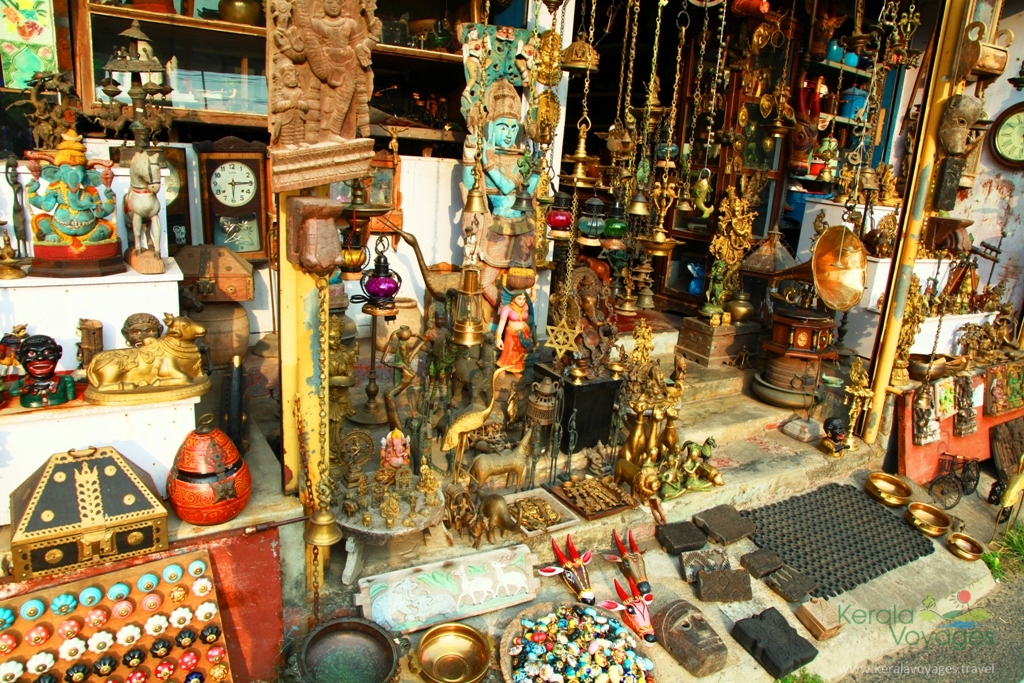 Mattancherry was the spice trade head quarters due to the proximity of Cochin Port. While Fort Cochin became the administrative head quarters, Mattancherry maintained its trading status. The colonial stature and buildings still make Fort Cochin a favourite destination for tourists. Its getting an upgrade once its declared as the first heritage city in India.Fort Cochin was also a part of Muziris route. It will be interesting thing on religious harmony to know that around 13 religious communities are harmoniously living in Fort Cochin and Mattancherry. Christians, Muslims, Hindus, Jews, Jains, Sikhs etc are few among them.
Day 12: Alleppey – Houseboat
After a leisurely breakfast, drive to Alleppey to board the houseboat for a night’s stay with on board lunch and dinner.You will be cruising through the lively villages and unique lifestyles. Overnight at the houseboat.
What is truly magical about a houseboat is the breathtaking view of the untouched and otherwise inaccessible rural Kerala that it offers. The houseboats have all the creature comforts of a good hotel including furnished bedrooms, modern toilets, cozy living rooms, a kitchen where are cooked on board and supplemented with fresh fish from the backwaters. Today, the tradition is still continued and the food from the local cuisine is served by the Kuttanad locals, on board. The name Backwaters brings you the very thought of Houseboats. Food and leisurely times spent on-board with the feeling and privacy of house as well as enjoying the natural beauty. A Cruise amidst marvelous mangrove forests, captivating coconut canopies, swaying palms, mangrove forests, pulsating paddy fields sprinkled with enchanting waterways and canals decked with white lilies, can be quite a rejuvenating experience for the weary traveler. Enjoying a cruise in these backwaters is not to be missed, as it leaves you feeling fully rejenuvated. The banks of these backwaters in Kerala are the most enchanting picnic spots. You get to experience the native way of living.The experience on the Houseboat is not the one to be explained by words.Its to be lived and evolved by yourself.
Day 13: Alleppey – Marari
After breakfast on board , check out and drive to Marari Beach (45 Minutes Drive). On arrival, check in at your resort . Day free to enjoy the beach activities. Overnight at the resort.
Marari originates from “Mararikulam”, one of the local fishing villages, where life still goes on much as it did a hundred years ago, with the men going out to sea each day to earn a living bringing in the daily catch. Completely new to the holiday maker. Marari offers endless miles of superb sand beaches backed by swaying palms, virgin territory where you can experience the local charm/and traditional Keralan Hospitality at it’s best.
Day 14: Marari
Day free to enjoy the beach activities. You may opt to visit the nearby Temple during evening hours to see local people gathered for worship ans socialization. Also try Ayurveda at your resort. Overnight at Resort.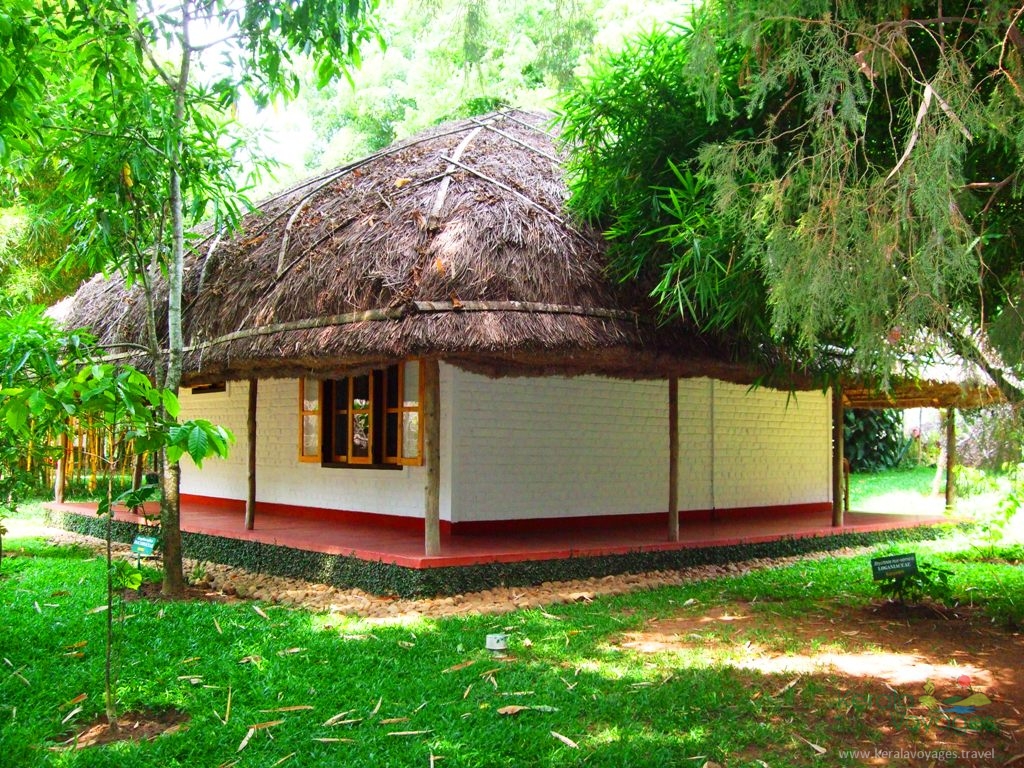
Marari Beach is an endless vista of sand and surf, but it is more. An authentic experience of the world of Kerala’s traditional fishing villages, and a recreation of an ancient, harmonious way of life. The village of Mararikulam lies on a forgotten shore, midway up the Malabar coast, where the Indian Ocean finally decides that it has now become the Arabian Sea.
Day 15:Cochin Departure
Like all good things, your holiday experience comes to an end but you will always carry with you memories of this unique and unforgettable experience. Today you will be assisted and transferred to Cochin International airport for your flight home!!


