- Company
- About Us
- Brand Story
- Our Team
- Testimonials
- Ethical Code
- Sustainable Tourism
- Sustainable Tourism Mission Statement
- Corporate Sustainability Policy
- The carbon footprint of tourism
- Sustainability Feedback
- Dos & Don’ts
- Related Links to Sustainable Tourism
- Safe Travels Protocols
- Sustainability Guidelines for Activities
- Fair Trade Division
- Case Study : Keralavoyages
- Sustainability Progress Report
- Awards & Acknowledgements
- Sustainable Policies
- Privacy Policy
- Contact
- Services
- TRAVELERS PICK
- Sustainable Itineraries
- Tours in India
- Day Programs
- Special interest tours in India
- Luxury Tours in India
- Beach Holidays
- Culture, Tradition and Lifestyle
- Nature Trails
- Women Tours
- Family Holidays
- Nature Walks and Wildlife Safaris in India
- Backwater Tours in Kerala
- Ayurveda Holidays in Kerala
- Trekking & Camping
- Temple Tours in India
- Birding Tours in the Western Ghats
- Art Forms & Festival tours
- Tribal Village Tours in India
- Heritage Tours in India
- History & Archeology Tours in India
- Special accommodations in South India
- Active Holidays
- 12 Days Kerala, Karnataka and Goa
- 7N Multiple Days Trekking and Camping in Munnar
- Nature Walks & Wildlife – Western Ghats Birding & Safaris
- Nature Treks & Wildlife Safaris – Western Ghats Birding & Safaris Shorter Version
- Cycling & Trekking in Kerala – 15 days activity tour in Kerala
- 5 days trekking and staying at Jungle Lodges in Chinnar Wildlife Sanctuary, Munnar
- 14 Days Western Ghats – Nature Walks, cycling & Wildlife Safaris
- MICE
- Destination Wedding
- Destinations
- Exclusive
- Contact



Itinerary for Mr Walter Wirsig -Switzerland
Travelers Pick - Proven itineraries.
Duration: 30 Days
Location: Coorg, Hassan, Mysore, Nagarhole, Calicut, Palaghat, Cochin, Kumarakom, Munnar, Madhurai, Chettinad, Tanjore, Pondicherry, Thiruvannamalai, Mahabalipuram
Book Now!“Very professional, understanding and helpful team who did a good selection of hotels and services. The attraction was the partners themselves were the first contact for tour planning and any kind of assistance. Good guides throughout the long tour. Vehicle was very comfortable and clean. Driver was a very safe driver even under difficult driving circumstances – very agreeable person, very helpful.”
– Feedback from Mr Walter Wirsig -Switzerland.
A newly married couple pose for a photo to Mr Wirsig – So close to life around…

06 Nov – Mangalore –Coorg (Madikeri)-3 Hour drive
On arrival in Managalore Airport, you will be transferred to Coorg, a unique agricultural village in Karnataka State of South India. Coorg is the modern name for Kodagu, the land of Kodavas. On arrival check in at your luxury resort in Coorg. Afternoon free for leisure. Overnight at the Resort.
Kodagu District is home to the native speakers of Kodava language. Though the language has no script, recently German linguist Gregg M. Cox developed a new writing system for the language known as the Coorgi-Cox alphabet, used by a number of individuals within Kodagu. The Kodavas were the earliest agriculturists in Kodagu, having lived there for centuries. During this time, South Indian dynasties such as the Kadambas, the Gangas, the Cholas, the Chalukyas, the Rastrakutas, the Hoysalas, the Vijaynagar Rayas and Kodagu was a separate kingdom. Despite the Kodavas being known in India as “brave warriors” and members of the Indian warrior caste, Kodagu did not have indigenous rulers for long they appointed outsider as an administrator still answerable to the kodava chiefs.
The citizens of Kodagu are polytheists and worship a number of deities, some of them being Iggutappa, Bhagwathi, Mahadeva, Bhadrakali, Subramanya and Ayyappa. Various occupations adopted by the ethnic groups of Kodagu are: Pepper and Coffee plantations, Paddy, artisans, basket and mat-weavers, drummers, wandering musicians, farmers, toddy-makers, etc. Agriculture is the most important factor that upholds the economy of Kodagu and the main crops cultivated in this region are rice and coffee.
Vivanta by Taj – Madikeri, is quite simply a journey of lost and found. It invites you to travel to the bosom of a 180 acre living rainforest and unravel surprise after surprise in the most delightful style. Lose yourself in an expansive space which sits within a vibrant hill range at an altitude 4000 ft. Find the glory of nature at her luxurious best here. In the hills and forests with over 250 species of flora, the canopied woods, the natural spring, and among the many creature comfort delights that Vivanta by Taj helps you soak in. Find the most eco-friendly design and material which make nature and luxury co-exist in the 63 cottages, suites, villas and rooms. Where no rock was displaced or hill cut, but instead built and evolved on the natural lay of the land as it has existed forever. It showcases the quintessential Coorg landscape – a rainforest canopy covering rolling hills and undulating greens breaking the monotony.
Find out how inspiration has been drawn from Coorg style houses – sloping roofs, pillars, open-to-sky entrances – mundu mane, the structural veil of kinle work. And the solid platform base of the façade for every cottage which replicates the design of the Madikeri fort. Find the harmony in the lobby façade that is inspired from the Iguthappa and Omkareshwara temples of Coorg. Don’t miss the am phi theatre inspired by the Omkareshwara temple tank. It’s awesome. Lose yourself in the pleasure of the courtyard spaces, the private plunge pools and the Jiva Grande Spa with a host of rejuvenation options: a climate controlled indoor swimming pool and another open-air, in the woods & under the stars. The 30,000 sq.ft. spa & wellness space sports eight private treatment rooms with their own steam & showers, a relaxation deck, a wellness café and the signature Coorg experience – Gudda bath (wood-fired bath in an outdoor pavilion).
07 Nov: Coorg
After breakfast,go for a Naturalist guided Rain Forest trekking for two hours.Afternoon at leisure to explore resort activities like Ayurveda etc. Overnight stay at the resort.
08 Nov – Sravanabelagola-Hassan -3.5 Hours drive
After breakfast drive to Hassan. Enroute visiting Dubare Elephant Camp&Sravanabelagola.On arrival, check in at the Hotel. Overnight at the Hotel.
Shravanabelagola – Wedged between two stark rocky hills, this legendary pilgrim centre and shrine of the Jains since early times. The monolithic statue of Lord Gomateshwara, a Jain saint and an object of worship for centuries, standing atop one of the hills, is 18 meters high and is said to be one of the tallest and most graceful monolithic statues in the world. The symmetry in stone was created around 978 AD. The Mahamastakabisheka festival, an elaborate ritual, held here once every 12 years, the last one in February 2006, attracts devotees from all over the world.
Hassan, the district headquarters, is a quiet and peaceful town, convenient base to visit Shravanabelagola, Belur and Halebid.
09 Nov – Belur-Halebid
Today to visit Belur & Halebid temples famous for its Hoysala Architecture using the soft stone with amazing hand craft.Overnight at the Hotel.
The temples at Belur and Halebid, which remained incomplete despite 80 years of labor, are offerings of the finest workmanship in stone to the gods. The elaborate sculptured decoration on the temple, according to some critics, is even better than the Friezes at Konark in Orissa and Khajuraho in Madhya Pradesh. The Temple at Halebid is still used for worship today. Belur was the capital of the Hoysalas during the 11th and 12th centuries, before the capital was moved to Halebid. The thing not to be missed here is the impressive Chennakeshava Temple, which has some of the most intricate and beautiful carvings in India. Beside this temple, there are two other temples to see, the Viranarayana Temple and the Chenniga Raya TempleTheChannakeshava temple at Belur, which was (the earlier Capital of Hoysala Kingdom) built by the emperor Vishnuvardhana, during 1117 AD to commemorate his conversion from Jainism to Vaishnavism, has attracted connoisseurs of art the World over, through its intricate sculpting wonders. The 42 bracket sculptures that decorate the outside walls of Chennakeshava, under the eaves, are fine examples of Hoysala art. Hoysaleshvara is a 12th century Hoysala temple in Halebid, the old Hoysala capital. The temple is laid out on a double plan, almost as if two temples were joined side to side. Both shrines open to the east, and rest on the usual Hoysala star-shaped bases.There are no gopurams or towers.Sequences from Ramayana, Mahabharatha&Bhagavatha are depicted on the outer walls of these temples. The efficiency and experience of the sculpture, who had carved these stories in stone is bewitching. Outside there is a Nandi (Bull) the mount of Lord Shiva bullock where the palace stood, connected to the temple by a passage. The walls of the temples are covered with variety of gods and goddesses, animals, birds and dancing girls. There is a museum on the lawn with 12-13th century sculpture and the gold coins in use at the time.TheKedreshwara temple where the sculptor’s virtuosity seems to have surpassed even the goldsmith’s skill in its sheer intricacy.
10 Nov – Mysore -3 Hours’ drive
Morning, after breakfast drive to Mysore.Enroute visit Srirangapatanam and Somnathpur. On arrival in Mysore,check-into the hotel. Evening you may visit the local market. Overnight at the Hotel.
The island fortress of the legendary warrior king Tipu Sultan, Srirangapatna is just 16km from Mysore city. Inside the fortress is Tipu’s mosque with its twin minarets, the celebrated RanganathaSwamy Temple, Tipu’s Summer Palace, the Wellesley Bridge, and the dungeons where British officers were once imprisoned. Equally impressive is the ornate white-domed Gumbaz, an imposing structure with doors of ebony inlaid with ivory and lacquered with Tipu’s tiger-striped emblem. About 1km to the east of the fort is Tipu’s Summer Palace (known as the DariaDaulatBagh) set amidst a lovely garden.
Fort: It is from here that Tippu charged at the British soldiers with his legendry sword. An obelisk in the Fort marks the place where he fell – betrayed by his own men. Within the Fort is a Mosque and the Sri Ranganathaswamy Temple.
DariaDaulatBagh: Built in 1784, this Summer Palace was one of Tipu’sfavourite retreats. It stands on a raised platform at a height of 1.5 metres. The Bagh is situated on the banks of Cauvery river has treasured the paintings, engraving, arms that depict the Valant victories and Struggles of Tipu Sultan. The structure made of teak, this Indo-Saracenic structure has ornate and beautiful frescoes. The corridors showcase murals which describe Tipu’s ordeals in the battlefield against the British.
Museum showcases painting with Tipu wearing a turban, a striped shirt, a necklace and a belt adornedwith precious stones with a sword attached. In 1792, G F Cherry painted the portrait. One more portrait was made by JonyZoffany in 1780. There are pencil sketches of the Tipu’s sons, minister of the Nizam, his son, Krishna Raja Wodeyar III his maternal uncle, Nandi Raja all drawn by Thomas Hickey, an English artist between 1799 and 1801. The museum boast ofcollection of coins of various denominations of those times and medals made of bronze, silver and copper issued by the English to commemorate their victory over Tipu.
Masjid-E-Ala or JamiaMasjid :The mosque situated near the Bangalore Gate of the fort buit by Tippu Sultan It is said that he performed the first imamath himself. standing on a high basement with an open court in the open court in the front and a covered veranda with a spacious prayer hall with the “Mihrab” on the west. There is an inscription mentioning the ninety-nine names of Allah and another records the date of its construction by Tippu in 1787 A.D.There are 2 minarets that are double storied and octagonal in shape with pigeonholes surmounted by domes that add to the grandeur of the entire structure. There are 200 steps leading to the top of the minarets from where one can get a picturesque view of the Masjid.
Gumbaz :Mausoleum of Tippu Sultan, and his father Hyder Ali and mother FathimaBegam. This was built by Tippu Sultan between 1782-84, the Gumbaz, an imposing structure in the midst of the Lalbagh garden, stands on a high and wide platform with an open veranda of polished pillars all round.The importance of Gumbaz lies in its well-shaped large dome, ivory inlaid doors, carved stone windows of fine workmanship and inscriptions. Tipu’sfavourite Tiger stripes cover the walls.Inside are the tombs of Haidar in the centre, his wife and his son Tippu on either side. In the veranda and on the platform are the other tombs of Haidar’s family members.
Colonel Bailey’s Dungeon :Named after Colonel Bailey who died here in 1780 A.D., this dungeon was used to imprison Captain Baird, Colonel Brithwite, Captain Rulay, Frazer, Samson and Lindsay by Tipu Sultan. The dungeon measures 30.5 metres width 12.2 metres height and is built of brick and mortar.Prisoners were chained to stone slabs fixed on its walls. During the siege of Srirangapatnam, one of the cannons rolled back, pierced the ceiling and fell into the dungeon. One can see them still lying there.
Somnathpur, a tiny village on the banks of the Kaveri, 140kms, south-west of Bangalore.This place boasts of one of the last and the grandest of Hoysalamonuments – the Kesava Temple. The riches and splendour of the Hoysala court were already evident in their grandtemples at Belur and Dvarasamudra (present day, Halebid).The temple, however, was built by this celebrated army commander, Somnath. Some year ago he had founded a village on the left bank of the Kaveri River, which he named Somnathpur, after himself. All the facts are duly mentioned on the slab in old Kannada script and appear as though to have happened yesterday!Somnathpur is more representative of the age, since it did not suffer destruction as much as Belur and Halebid did and hence offers a more unbroken view of period’s architecture. Often it is referred to as the poor cousin of Belur and Halebid.Its unique design and perfect symmetry are ignored amidst the farms and agricultural lands of surrounding villages.
11 Nov – Mysore
Day to explore the royal Palace of Mysore and the rich heritage.Mysore is known as the city of Palaces and the entire architecture and decorum of the place is in harmony with the Royal style for which Mysore is known. Today you will visit, Maharaja’s Palace, ChamundiHills, Nandi Bull etc. Evening by 7 AM visit Maharaja’s Palace for a light & sound show followed by lighting of the Palace.(Show Time-7 to 7.45 PM)Overnight at the Hotel.
Mysore, the capital city of the Wodeyars has always enchanted its admirers with its quaint charm, rich heritage, magnificent palaces, beautifully laid-out gardens, imposingbuildings, broad shady avenues and sacred temples. There’s an old world charm about the city that reaches out and leaves no one untouched.Visit the palace of the Maharaja built in 1911-12. The palace is of harmonious syntheses of the Hindu and Saracenic styles of architecture with archways, domes, turrets, colonnades and sculptures which are magnificent. Visit the Art Gallery; drive up to Chamundi hill to see Chamundeshwari Temple & a panoramic view of Mysore. On the way back, see the Nandi Bull. Mysore is known the world over for its exotic sandalwood and rich silks.Mysore, an undulating tableland, covered in parts by granite outcrops and fringed by verdant forests, offering several attractions ranging from the royal splendor of Mysore City and its fabulous Dasara Festival to exquisite temples, pilgrimage centres and scenic spots.
Maharaja’s Palace is a synonym for Mysore in the Tourist Map. It’s built in Indo-Saracenic style with domes, turrets, arches and colonnades.The Palace is a treasure house of exquisite carvings and works of art from all over the world.The walled Palace complex houses the Residential Museum,temples and shrines including ShwethaVarahaswamyTemple.The jewel studded golden throne,the pride of the Wodeyars and the symbol of their sovereignity,displayed here during Dussehra festival in October.The Palace will be lit with One Hundred Thousand electric bulbs on Sundays and Public Holidays.
12Nov –Nagarhole (Kabini) -2 Hours’ Drive
Morning, proceed to Kabini or popularly known as Nagarhole famous for Rajiv Gandhi National Park. On arrival, check in at the Hotel. Evening go for a guided safari through the National park. Overnight at the Hotel.
Karnataka’s forests and wildlife are the natural heritage for which the State is boasted of.From the majestic evergreen forests of the Western Ghats to the scrub jungles of the plains,a wide variety of habitats teem with diverse flora and fauna,some of them endemic to the region.Nestled amidst the Karapur Forest lays a pristine piece of land that abounds with nature. Beckoning you to explore it for a wild exciting holiday. The steep valleys with rich forests, spectacular pools and rapids provide an ideal opportunity to revive your adventurous spirits.
13 Nov –Nagarhole
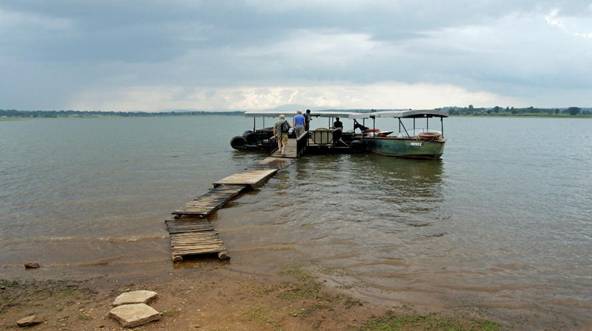
Early morning go for a guided safari in boat.Rest of the day atleisure at the resort.Evening go for another safari in jeep.Full day at Kabini for jungle activities like guided safaris and free walks. Overnight at the Hotel.
Nagarhole, a Kannada name has meaning of Snake River. The name derives from the winding course of the river that flows through the forests. Nagarhole has an astonishing abundance of wildlife, especially the Asiatic elephant. The backdrop of the distant misty blue Brahmagiri Mountains,the natural sounds of the jungle,the gurgling of streams and rivers and the twittering of the birds make a trip to Nagarhole a memorable experience. It has an area of 643.39 Sq.km. Covered mainly by moist and dry deciduous forests, and dominated by teak,rosewood and dry deciduous forests in the eastern limits of the peak. Mammals include elephant, tiger, leopard, wild dog, sambar, barking deer, sloth bear, wild boar, Indian bison, mouse deer, spotted deer, slender loris, black –naped hare, jackal, langur, wild pig, porcupine, Malabar squirrel, striped hyena and four-horned antelope.
14 Nov –Nagarhole
Early morning go for a guided safari in Jeep. Rest of the day at leisure at the resort. Evening go for another jeep safari.Full day at Kabini for jungle activities like guided safaris and free walks. Overnight at the Hotel.
15 Nov –Calicut-4.5 Hours’ Drive
After breakfast, drive to Calicut. Afternoon go for a short city visit at Calicut. Overnight at the Hotel.
16 Nov –Palghat – 4 Hours’ drive
After a leisurely breakfast,drive to Palghat. Afternoon visit Kalpathi to watch the Ratholsavam. Overnight at the Hotel.
Want to lose yourself amid a joyous crowd and colourful spectacles? Then make sure you are at the Sree Viswanatha Swamy Temple at Kalpathi in Palakkad for the renowned annual chariot festival; locally known as Ratholsavam. Kalpathi is a traditional Tamil Brahmin settlement in Kerala. The temple dedicated to Lord Viswanatha or Shiva is believed to be 700 years old. The annual chariot festival usually falls in the month of November. During the festival days the entire Kalpathi will be teeming with devotees and visitors from near and far. Vedic recitals and cultural programmes render a unique ambience for the place.
On the last three days, the three elaborately decorated huge temple chariots take the attention of all. Devotees would then gather to draw the chariots through the streets of Kalpathi village. It will be just one chariot that will be pulled on the first day, followed by two on the second and three on the last day of the festival.
Disclaimer: In Kerala, festival dates are decided in accordance with the Malayalam calendar and the local traditions and customs. We have calculated the festival dates based on these. But there can be changes in the dates according the customs and rituals associated with each place of worship. As such, these should be considered only as approximate dates and have to be confirmed with the local authorities.
17 Nov: Palghat-Cochin-3.5 Hours’ drive
After breakfast, check out and visit Kalpathi village to visit the festival ground and later drive to Cochin. On arrival check in to your hotel. Evening visit Greenix Theatre to watch a kaleidoscope of various Indian art forms. Overnight at Hotel.
From time immemorial, the Arabs, British, Chinese, Dutch, and Portuguese have left indelible marks on the history and development of Cochin. Over the years, Cochin has emerged as the commercial and industrial capital of Kerala and is perhaps the second most important city on the west coast of India. Cochin has Asia’s best preserve Synagogue, the Dutch Palace and the oldest European Church in India – the St. Francis Church.
18 Nov – Cochin
Morning, after breakfast, proceed for a guided village backwater Cruise with lunch at Poothotta island backwater village. Afternoon back to Cochin for a short city tour of Cochin with option for shopping. Evening drive to marine drive area to see the city life. Overnight at the Hotel.
Village backwater Cruise – An unforgettable journey in a country boat into the pristine backwater villages of Kerala…. goes through the zigzagging narrow canals and paddy fields fringed with coconut palms…..watch rare birds….country boat making….a natural fish farm where you can go fishing…You will witness coir making, toddy tapping and enjoy a typical Kerala lunch at a farmhouse.
Cochin Sightseeing – St Francis Church, built in 1510 by friars brought to India by Vasco da Gama, is the first European church built in India and is the site where Vasco da Gama was buried. The JewishSynagogue was built in 1568, Chinese hand-painted tiles are one of the attraction. This, the only Synagogue in India has a nostalgic past of a Jewish Diaspora. The “Dutch Palace” was built in the 1550s; the palace contains excellent mythological murals and a rare example of traditional Keralite flooring – a subtle mix of burnt coconut shells, lime, plant juices and egg whites – which gives the effect of polished marble.
Fort Cochin & Mattancherry are twin cities carry a flavour of the colonial era. Jewish, Arabs, Portuguese British all came to Cochin for trading and Mattancherry was the spice trade headquarters due to the proximity of Cochin Port. While Fort Cochin became the administrative headquarters, Mattancherry maintained its trading status. The colonial stature and buildings still make Fort Cochin a favourite destination for tourists. It’s getting an upgrade once it’s declared as the first heritage city in India. Fort Cochin was also a part of Muziris route. It will be interesting to know that around 13 religious communities are harmoniously living in Fort Cochin and Mattancherry.Christians,Muslims,Hindus,Jews,Jains,Sikhs etc. are few among them.
19 Nov: Alleppey Houseboat-1.5 Hours’ drive
After a leisurely breakfast,drive to Alleppey to board your exclusive Houseboat for a night’s stay with on board lunch and dinner, covering Alleppey villages and the life around the villages. Your food will be freshly cooked and served on board. The experience on the Houseboat cruising through the pristine villages are to be experienced by yourself and not to be explained in artistic words.Overnight on the houseboat.
What is truly magical about a houseboat is the breathtaking view of the untouched and otherwise inaccessible rural Kerala that it offers. The houseboats have all the creature comforts of a good hotel including furnished bedrooms, modern toilets, cozy living rooms, a kitchen where are cooked on board and supplemented with fresh fish from the backwaters. Today, the tradition is still continued and the food from the local cuisine is served by the Kuttanad locals, on board. The name Backwaters brings you the very thought of Houseboats. Food and leisurely times spent on-board with the feeling and privacy of house as well as enjoying the natural beauty. A Cruise amidst marvelous mangrove forests, captivating coconut canopies, swaying palms, mangrove forests, pulsating paddy fields sprinkled with enchanting waterways and canals decked with white lilies, can be quite a rejuvenating experience for the weary traveler. Enjoying a cruise in these backwaters is not to be missed, as it leaves you feeling fully rejenuvated. The banks of these backwaters in Kerala are the most enchanting picnic spots. You get to experience the native way of living.
20 Nov – Alleppey – Kumarakom
After breakfast on board,your houseboat will drop you at your resort at Kumarakom, which is famous for its backwater & scenic beauty, sprinkled with traditional houseboats, country crafts, rural lifestyles and Tranquility. On arrival at Kumarakom check in at the Resort set on Vembanad Lake.You may opt to go for a rejuvenating Ayurvedic Massage. Overnight at Resort.
Kumarakom is a cluster of little islands on the Vembanad Lake and a picturesque, clean village like most places in Kerala. The Kumarakom Bird Sanctuary is spread across 14 acres, the bird sanctuary is a favorite haunt of migratory birds and an ornithologist’s paradise. Egrets, darters, herons, teal, waterfowl, cuckoo, wild duck and migratory birds like the Siberian stork that live in flocks are a fascination for visitors. The best way to watch the birds of the Kumarakom sanctuary is a boat trip round the islands.
21 Nov – Kumarakom
Full day to explore the beauty of the backwaters. The slender coconut palms standing here, there and everywhere, it’s never ending paddy fields, meandering lagoons and backwaters, mangroves nesting birds of a hundred varieties can peacefully calm and invigorate your mind with renewed inspiration for your vocation and life. That is the pristine beauty of Kumarakom.Today you may opt to go for a rejuvenating Ayurvedic Massage at your resort, or to go for a local village visit etc. Overnight at the Resort.
22 Nov -Kumarakom – Munnar -5.5 Hours’ drive
Morning, after an early breakfast, proceed to Munnar, known as nature lover’s paradise Enroute visit Ettumanoor Siva Temple. You will drive through Midland crops like Rubber, arecanut, pineapple etc. Afternoon go for a guided plantation walk through a cardamom plantation. Evening you may visit Munnar Town just to have the feeling of a hectic village township. Overnight at the Hotel.
Munnar… breathtakingly beautiful – a haven of peace and tranquility – an idyllic tourist destination in God’s own country with unending expanses of tea plantations… pristine valleys and mountains…exotic species of flora and fauna in its wild sanctuaries and forests… aroma of spice scented cool air. Munnar has all these and more…. It’s the place you would love to visit… It’s the place you would wish never to leave.
23 Nov -Munnar
After breakfast, go for a full day guided Tour of Munnar which includes a Nature History walking tour, tea plantation walk, Mattupetty, Tea Museum etc. Overnight at the Hotel.
Set at an altitude of 6000 ft. in Idukki district, situated at the confluence of three mountain streams, Munnar was the favoured summer resort of the erstwhile British rulers in the colonial days. Sprawling tea plantations, picturesque towns, winding lanes, trekking and holiday facilities makes Munnar a holiday resort. Among the exotic flora found in the forests and grasslands here is the Neelakurinji a flower, which bathes the hills in blue once every twelve years. Munnar also has the highest peak in South India – Anamudi – which towers over 2695 M and is an ideal spot for campers who like trekking.
Munnar History Trail is a soft hiking programme highlighting the following:
- Head works dam- the first hydro –electric project in Kerala built during the British period. The trail leading to the next destination from this point is passing through tea garden and lake side which gives a fine birding walk.
- The Blossoms Park – The Blossom park is attached to the Head works dam. The tunnel from the dam to the power house is located in the park. Plenty of exotic trees and plants from British period can be seen in this park
- High range club – It is a club of plantation managers constituted during the British period. An old golf course is also located in this club.
- Heather cottage – built and found during the British period , this is the first of its kind in Kerala. The founders practiced worshiped Anti-Christ
- Old hanging bridge – connecting the Old Munnar market with Club road
- The CSI church- Built during the British period where early planters were buried. It was built in memory of Eleanor Isabel – young wife of a planter died after 7 days of Marriage.
- Munnar Market- a beautiful vegetable and provision market
- Fusion Hill- where a mosque, church and temple are located face to face. It is the place which is mentioned in ‘Life of Pi’-
24 Nov –Munnar- Madurai-5 Hours Drive
After an early breakfast drive to Madurai, an ancient city, more than 2,500 years old, known as the Athens of the east.Afternoon City tour of Madurai to enjoy the glorious architecture of Meenakshi Temple.Watch the closing ceremony at Meenakshi Temple in the evening. Overnight stay at the hotel.
Madurai or the “city of nectar” is the oldest and second largest city of Tamil Nadu. This city is located on Vaigai River and was the capital of Pandyan rulers till the 14th century. The Pandyan king, Kulasekhara had built a gorgeous temple around which he created a lotus shaped city. Mythology says when city was being named; Lord Shiva blessed the city and its people. On the auspicious occasion some Divine nectar (“Madhu”) fell from the matted locks of Shiva and hence the city was named “Madhurapuri”. This sacred town of south attracts thousands of pilgrims and visitors from India as well as abroad. Madurai is synonymous with The Meenakshi Temple, TirumalaiNayak Palace, Mariamman Tank, KoodalAlagar Temple, Gandhi Museum and Government Museum.
Meenakshi Temple – In the Ashta Shakti Mandapam inside the temple, the sculpted pillars tell the story of the beautiful princess of Madurai and her marriage to Lord Siva. The pillars of the Mandapam are decorated with scenes from the wedding of Meenakshi and Sundareswarar. The life of Madurai revolves around the Sri MeenakshiSundareswarar temple. This magnificently carved temple is the main attraction of Madurai and its huge Gopurams towers over the city. Meenakshi temple has a thousand pillared ‘Mandapam’. Precisely there are 985 pillars and each of them is delicately and exquisitely carved. Among these are the musical pillars, which produce music when tapped. Surprisingly, these musical pillars are carved out of a single granite rock. The temple has been a hub of Tamil culture and has been sponsoring literature, art, music, and dance in the region for a long time.
25 Nov – Madurai-Chettinad (Karaikudi)-2 Hours’ Drive
After breakfast drive to Chettinadu Village. Day to explore the ancient heritage of Chettinad Village. Evening visit the local villages. Overnight stay at the hotel.
Chettinad is the homeland of the Nattukottai Chettiars, a prosperous banking and business community, many of whose members migrated to South and Southeast Asia, in the 19th and early 20th centuries. Today there is a diaspora of Chettinad people, who live in the USA, Singapore, Malaysia, among other places. Chettinad is well known for its Chettinad cuisine, Mansions, and Temples. Chettinad is rich in cultural heritage, art and architecture, and is well known for its houses, embellished with marble and Burma teak, wide courtyards, spacious rooms, and for its 18th century mansions. Local legend has it that their walls used to be polished with a paste made out of egg whites to give a smooth texture.
Full day to explore the Chettinadu villages. Visit the Palace nearby and the artisan’s village, Athangudi where a unique kind of floor tiles are made manually. You may also visit the old chettiar mansions, local saree weaving house, local markets and a street with antique shop etc. Your visits can be on bicycle or on bullock carts. You may also be in the Chettinad kitchen to learn one of the unique dishes. The accommodations in Chettinad Village are all with the Mansions converted as heritage hotels where the staff all will join as a family and you will also one among the family.
No Chettinad experience is complete without a visit to the streets lined by palatial homes.Many of them are uninhabited today, their owners having moved on with the times.But they stand proud,unbending to the vagaries of time,along with a few other reminders of a glorious era.Like the weekly santhai(market), the Raja’s special waiting room at the local railway station, the sari weaving centers,the tile manufacturing units at Athangudi and the many temples-the latter, an integral part of every Chettinad family.
26 Nov – Chettinad (Karaikudi)
Full day to explore Chettinad villages.You may visit the local vegetable market in the morning to see the public life. Overnight stay at the hotel.
27 Nov –Tanjore 3 Hours Drive
After breakfast, drive to Tanjore to visit the Big Temple (Brihadeeswara Temple). Also visit the Palace, Art Gallery etc. Overnight at Hotel.
Thanjavur rose to the glory during the later Chola reign between the 10th and 14th Centuries and became a centre of learning and culture.Thanjavur is still the centre of all the classical arts and music.The Big Temple and the other famous temples in the district are known all over the world. It is the headquarters of Thanjavur district, the ‘Rice Bowl’ of Tamil Nadu. Thanjavur is also famous for its distinctive art style, which is usually a combination of raised and painted surfaces.Tanjore paintings are deeply rooted in tradition and still innovative within limits. This art is sacred and dedicated.The Raja RajaChola Art Gallery has some fine pieces of stone and bronze sculptures from the 9th and 12th centuries.
28 Nov –Darasuram- Gangaikondacholapuram- Pondicherry 4.5 Hour Drive
Afteran early breakfast, drive to Pondicherry.Enroute visit Darasuram Iravadeeswarar Temple (UNESCO Monument) and Gangaikondacholapuram (UNESCO temple) to visit the amazing architectural Marvel. Overnight stay at Pondicherry.
Airavatesvara Temple in Darasuram (Tamil Nadu), dating back to the second half of the 12th century is one of the 4 biggest temples erected by the Chola Dynasty with those of Tanjore, Gangaikondacholapuram and Tribhuvanam. Remarkable monument for its architecture and its great decorative wealth, it has been registered in the world heritage list of the UNESCO in 2004. You can also see the traces of amazing paintings popular with Nayaks’ period of 17th Century. Again the influence of social life is very much depicted in the paintings as well as the carvings.
Rajendra I, the mighty Chola King, established his new capital at Gangaikondacholapuram with this magnificent city and temple to Lord Siva in the 11th century. It is 50 kms. from Chidambaram. The temple is noted for its massive and richly carved sculptures. A big Nandi in front of the temple made of brick and mortar, a lion head well with a flight of steps leading to the water level and the gigantic dwarapalakas are the other special features of this temple. The temple has a huge quadrangular passage which has dark ambulatory passage in between the double wall construction which is meant to distribute the vertical load of the temple superstructure. The inside passage is accessible to tourists between 9 AM to 12 Noon and 6 PM to 8 PM.
29 Nov – Pondicherry
After breakfast at the hotel, go for a half day guided tour of Pondicherry. The French Quarter in the city close to the beach is worth covering during late evening hours. The traditional French architecture is still maintained even in the latest renovations and the Indian National Trust for Art & Cultural Heritage (INTACH) is the authorized agency for any such renovations in Pondicherry. Sightseeing & overnight stay at Pondicherry.
The old town of Pondicherry has a unique charm and the French Quarter is unique in its cleanliness, architecture, discipline etc. To experience the spirit of Pondicherry, Its essential to walk through the old town and closely observe the nature of its architectural traditions. Its interesting to note that if someone wants an old building to be restored in Pondicherry, the local authorities ask for the approval of INTACH on priority. This is interesting and we could see how naturally those old buildings were restored in French style. One will walk through Town Hall (Mairie/Hotel de Ville), Notre Dame des Anges Church, Ecole Francaised’ Extreme-Orient, Cluny Embroidery centre, Alliance Francaise, INTACH Heritage Centre for Exhibitions, Lycees Francaise and lot more.
The beach close to the French quarter is landscaped with wide stone paved pathways and the vehicular traffic is banned from 6 PM till 7.30 AM. it’s strictly maintained and the pedestrians enjoy their walk in the evening. Many of the old heritage buildings are now getting converted to hotels and guest houses. All kinds of restaurants with international cuisines are seen everywhere. A walk through the market place on M G Road is also amazing.
30 Nov – Pondicherry- Vattavalam- Thiruvannamalai -3 Hours’ drive
After an early breakfast at the hotel, drive to Thiruvannamalai, known for Arunachaleswarar Temple, one of oldest Shiva Temples in India. Enroute stop at Loyola College of the Jesuits in Vettavalam.After early lunch proceed to Thiruvannamalai.The famous temple city of Thiruvannamalai, looks similar to Madurai, but the temple is huge and the entry to tourists are permitted very close to the Sanctum Sanctorum. May be this is the right place to witness the closing ceremony as one can stand so close to the Sanctorum and also to the sleeping room, known as Palliyara. On arrival in Thiruvannamalai, if you are interested in photography, you may climb a hill from where you will get an aerial view of the Temple which is amazing.You should climb the hill before 4 PM to get the good sunlight on temple. Check into your hotel and relax for a while. Early evening visit Ramana Ashram and Girivalam Road where you will find a number of Sadhoos just like in Varanasi. Go back to the hotel for freshen up and dinner and return to the temple by 08.30 PM for temple visit and thereafter at about 9.15 PM to watch the closing ceremony (Palliyara Pooja). Overnight at Hotel.
The Arunachaleswarar Temple at Tiruvannamalai is one of the biggest and grandest temples in South India. With the hill as back ground it gives the appearance of a fort to those who see it from a distance. It is unique on account of its stately towers, high rampart walls, broad quadrangles, spacious gateways, large mantapams and fine tanks. It has also much architectural importance and sculptural beauty.The exact dates of starting the construction is not marked but its again a composite structure passed through many ages. The Temple has got four stately towers on all the four sides and four high stone walls just like the rampart walls of a fort. The Eastern Tower called the Rajagopuram is the Highest. The Southern tower is called Thirumanjangopuram, that in the west is called Peygopuram and that in the north is called AmmaniammaGopuram. The temple occupies an extent of about 25 acres of land. The walls on the East and West measure 700 feet each. The South wall is 1479 feet long and North wall is 1590 feet. The Rajagopuram which adorns the East Gateway is 217 feet high with 11 stages, its base measure 135 feet by 98 feet. This tower was built by King Krishna Devaraya of Vijayanagar and completed by SevappaNayaka of Thanjavur. Krishna Devaraya also constructed the Thousand Pillared Mantapamand dug the tank opposite to it. AmmaniAmmal a Sanyasini built the North Gopuram which is called after her name.
01 Dec – Gingee Fort –Mahabalipuram-5 Hours’ Drive
After an early breakfast, drive to Gingee Fort also known as Senchi Fort with a packed lunch. It’s an amazing structure with outer wall stretching almost 5 kilometers. The Fort connects with different hills like Rajagiri, Krishnagiri etc. Also visit Venkitaramana Temple within the Fort itself. Continue drive towards Mahabalipuram. Enroute coffee stop at Kilpennathur Jesuit parish. Later continue drive to Mahabalipuram for overnight stay.
Gingee Fortin Tamil Nadu, India is one of the few surviving forts in Tamil Nadu, India. So well-fortified was this place that Shivaji ranked it as the “most impregnable fortress in India” and it was called the “Troy of the East” by the British. The actual name of Gingee is ‘Sengiri’ meaning perhaps the “Red Hill” in Tamil that has got corrupted into Gingee.A popular tradition is that Senji Fort and the village are named after the local village Godess Senji Amman.Her temple existed before the construction of the Fort,half way up the Rajagiri Hill. The name has also been traced to Singavaram the neighbouring Vaishnavite shrine, whose lord is considered the guardian deity of the place. Originally the site of a small fort built by the Chola dynasty in 9th century AD, it was later modified by Kurumbar while fighting the Chola and again by the Vijayanagar empire in the 14th century to elevate it to the status of an unbreachable citadel to protect the small town of Gingee. Though the Fort is accessible and seen from the main road, there is no much exploration happening and the tourists are not much to be seen at all.Before you enter the Fort,you may visit a Temple by name Venkitaramana Temple which stands the test of time beside the tall hill. Once you enter the Fort, it is a vast area where you will see the prison, Elephant bathing Pond, Women’s residence, a huge granary or store house to keep food and other consumables and many more. It’s not to be explained on words but to be seen and experienced.
02 Dec – Mahabalipuram
Full day for local visits with CDD to Chengalpattu for a visit of the Dalit Human Rights Centre and from there to Kuppayanallur Loyola Higher Secondary School and village projects. Return to Fisherman’s Cove in late afternoon. Overnight at resort.
Mahabalipuram has a significant role in the history and architecture of India which gives a major role for the archaeological enthusiasts. This is the only place in India where we have Cave Architecture, Monolythic Architecture and Structural Architecture still existing simultaneously. Also the long stretch of clean beach will give one a peaceful relaxation in Mahabalipuram.
03 Dec – Mahabalipuram(Mamallapuram)
Full day at leisure on the beach. Overnight stay at the resort.
04Dec – Mahabalipuram
After breakfast, visit the heritage sites at Mahabalipuram. Explore the heritage of Mahabalipuram temples, built in 7th& 8th century AD which are today the sight of several antique sculptural marvels. Rest of the day at leisure. Overnight at resort.
Mahabalipuram – It is among the most outstanding examples of Pallava art and architecture. The monuments are floodlit at night and so it is possible to enjoy their beauty even after sunset. Arjuna’sPenance – This skillfully carved rock is the largest bas relief in the world. There are nine rock cut cave temples. The Mahishasuramardhini cave, contrasting the goddess fighting a demon on one side, and Lord Vishnu’s cosmic sleep on the other, is a particularly remarkable one. Five Rathas –These rock-cut temples are rated as excellent example of Pallava art. Shaped in different styles, the rathas are supposed to have been scooped out of a single rock formation.
05 Dec – Chennai Drop
Like all good things,your holiday experience comes to an end but you will always carry with you memories of this unique and unforgettable experience. Today, you will be transferred to Chennai City to Taj Connemara booked by yourself.
Hotels Suggested
- Coorg:Vivanta By Taj www.vivantabytaj.com
- Hassan:Hoysala Resort www.hoysalavillageresorts.com
- Mysore:Royal Orchid Metropole www.royalorchidhotels.com
- Nagarhole:Orange County www.orangecounty.in
- Calicut:Welcom Hotel Raviz Kadavu www.itchotels.in
- Palghat:Srivatsa Regency www.hotelsrivatsaregency.com
- Cochin:Malabar House www.malabarescapes.com
- Houseboat:Evergreen www.evergreen-kerala.com
- Kumarakom:Coconut Lagoon www.cghearth.com
- Munnar:Windermere Estate www.windermeremunnar.com
- Madurai:Heritage Resort www.heritagemadurai.com
- Chettinad:Chidambara Vilaswww.chidambaravilas.com
- Tanjore:Tanjore Hi www.duneecogroup.com
- Pondicherry:Palais De Mahe www.cghearth.com
- Thiruvannamalai:Sparsa Resorts www.sparsaresorts.com
- Mahabalipuram:Vivanta By Taj Fisherman’s Covewww.vivantabytaj.com
Cost Inclusions:
- 29 Nights’ accommodation as above
- Daily Breakfast at all hotels
- Breakfast & Dinner at Thiruvannamalai
- All meals at Nagarhole& Houseboat
- All transfers and sightseeing using Aircon SUV with English speaking driver
- Guided Rainforest trekking at Vivanta ,Coorg
- Local English speaking guides at Belur, Halebid, Mysore, Cochin, Munnar, Madurai, Tanjore,Pondicherry and Mahabalipuram.
- All entrances at monuments as per itinerary for one entry
- 05 Safaris at Nagarhole National park
- Guided Village backwater cruise with farm lunch in Cochin
- Greenix show at Cochin
- Guided Nature History Trail with sightseeing at Munnar
- Driver Batta,fuel,road tolls,interstate taxes etc
- Special assistance throughout the tour from our service team.
- All Taxes including Service Tax


