- Company
- About Us
- Brand Story
- Our Team
- Testimonials
- Ethical Code
- Sustainable Tourism
- Sustainable Tourism Mission Statement
- Corporate Sustainability Policy
- The carbon footprint of tourism
- Sustainability Feedback
- Dos & Don’ts
- Related Links to Sustainable Tourism
- Safe Travels Protocols
- Sustainability Guidelines for Activities
- Fair Trade Division
- Case Study : Keralavoyages
- Sustainability Progress Report
- Awards & Acknowledgements
- Sustainable Policies
- Privacy Policy
- Contact
- Services
- TRAVELERS PICK
- Sustainable Itineraries
- Tours in India
- Day Programs
- Special interest tours in India
- Luxury Tours in India
- Beach Holidays
- Culture, Tradition and Lifestyle
- Nature Trails
- Women Tours
- Family Holidays
- Nature Walks and Wildlife Safaris in India
- Backwater Tours in Kerala
- Ayurveda Holidays in Kerala
- Trekking & Camping
- Temple Tours in India
- Birding Tours in the Western Ghats
- Art Forms & Festival tours
- Tribal Village Tours in India
- Heritage Tours in India
- History & Archeology Tours in India
- Special accommodations in South India
- Active Holidays
- 12 Days Kerala, Karnataka and Goa
- 7N Multiple Days Trekking and Camping in Munnar
- Nature Walks & Wildlife – Western Ghats Birding & Safaris
- Nature Treks & Wildlife Safaris – Western Ghats Birding & Safaris Shorter Version
- Cycling & Trekking in Kerala – 15 days activity tour in Kerala
- 5 days trekking and staying at Jungle Lodges in Chinnar Wildlife Sanctuary, Munnar
- 14 Days Western Ghats – Nature Walks, cycling & Wildlife Safaris
- MICE
- Destination Wedding
- Destinations
- Exclusive
- Contact



Western Ghats of India
16 Days 15 Nights Western Ghats Explorer in South India

This programme is so well designed by our Naturalist Mr. Benny Kurien who is an authority on the flora & fauna in Western Ghats and published many books on the Western Ghats. The main attraction is that Mr Benny Kurien will be accompanying the group to give the best experience and knowledge.
Mountain ranges of the Western Ghats run parallel to the west coast of India from north at Tapti river to Cape Comerin at South and extended to Srilanka after a gap. The Western Ghat mountains are continuous approximately to a distance of 1500 kms. The mountains are believed to be a part of the ancient Gondwanaland. The archeological sites of the Ghats give us a clear picture of the South Indian ethnology and civilization. The Shola forests known as the living fossils are the home for many of the ancient species trace back to the Gondwana land.
Western Ghats Explorer is to provide you the best in wildlife, adventure, bird watching, trekking experience in a distinctively different way. This programme spreads over Kerala, Tamilnadu and Karnataka in South India.
Day 01 – Cochin
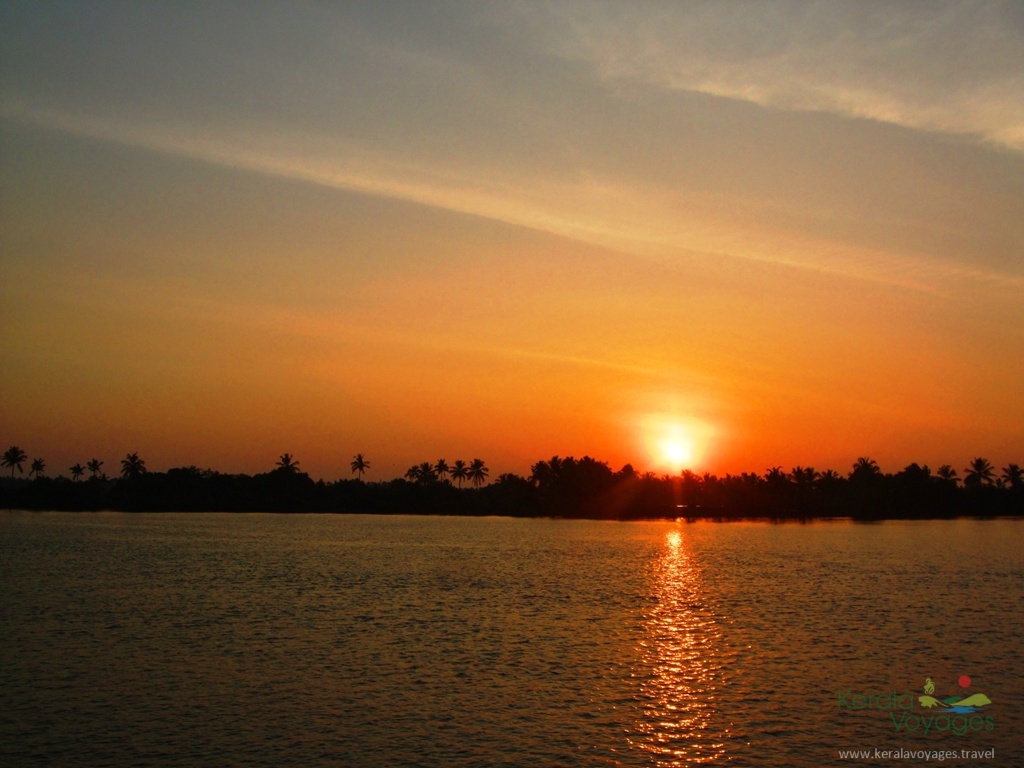
On arrival at Cochin, you will be met by our meet & greet service and transferred to hotel. After check in you will meet our naturalist who will give you an introduction to what you can expect on your experience and answer any questions you may have. Our ground representative will also be on hand to explain ground arrangements etc. Rest of the day go for shopping or just explore the city at your own pace accompanied by our driver. Evening, enjoy a fusion of traditional dance forms of Kerala at a cultural center in Cochin. Overnight at the hotel for a well deserved rest.
A leisurely walk through the Fort Cochin area which gives you a close look at the operation of the huge cantilevered Chinese fishing nets, low flying turns and black kites, if lucky you can spot dolphins in the estuary.
Day 02 – Cochin
Morning, after breakfast, proceed for a village backwater Cruise with lunch. Afternoon enjoy the sightseeing of Cochin. Overnight at the Hotel.
Village backwater Cruise – A four hour journey in a country boat into the pristine purity of a typical village backwater of Kerala…. goes through the 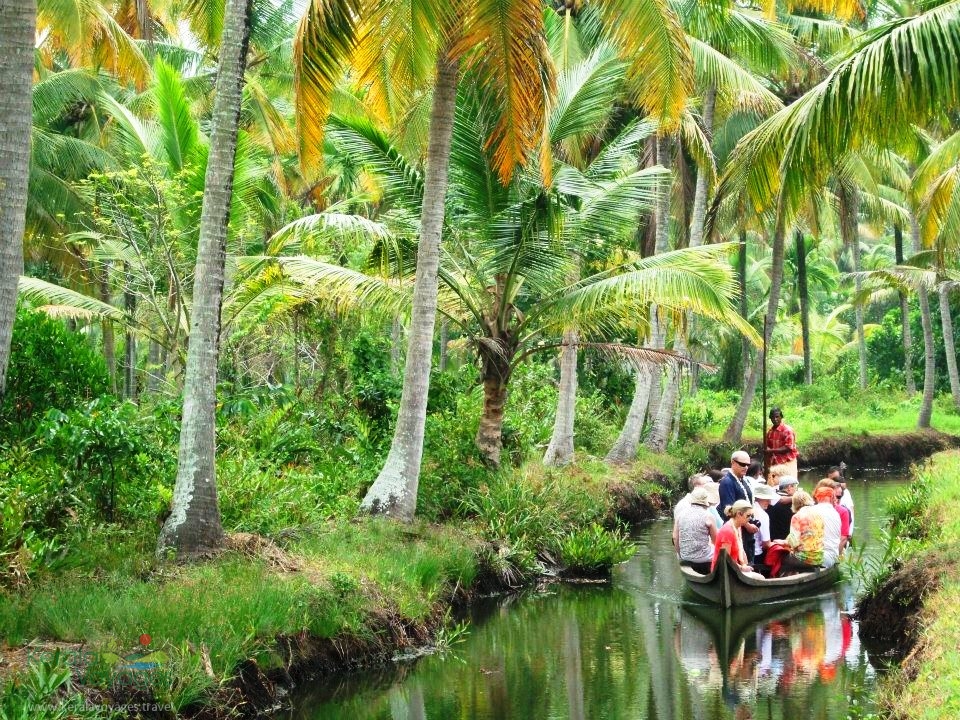 zigzagging narrow canals and paddy fields fringed with coconut palms… watch rare birds… country boat making… a natural fish farm where you can go fishing… Cochin Sightseeing – St Francis Church, built in 1510 by friars brought to India by Vasco da Gama, is the first European church built in India and is the site where Vasco da Gama was buried. The Jewish Synagogue was built in 1568, Chinese hand-painted tiles are one of the attraction. This, the only Synagogue in India has a nostalgic past of a Jewish Diaspora. The “Dutch Palace” was built in the 1550s; the palace contains excellent mythological murals and a rare example of traditional Keralite flooring – a subtle mix of burnt coconut shells, lime, plant juices and egg whites – which gives the effect of polished marble.
Day 03 – Cochin – Munnar (140kms-4 hours drive)
Early morning , drive to Munnar.Enroute visit Kodanad elephant camp to see the training for elephant. Later visit Thattekad Salim Ali Bird Sanctuary. After lunch at Thattekkad, continue the drive to Munnar through the Midland farms like Rubber, tuber crops, pineapple, vanilla etc. On arrival at Munnar, check in at the Hotel & at leisure for free walks. Overnight stay at Munnar.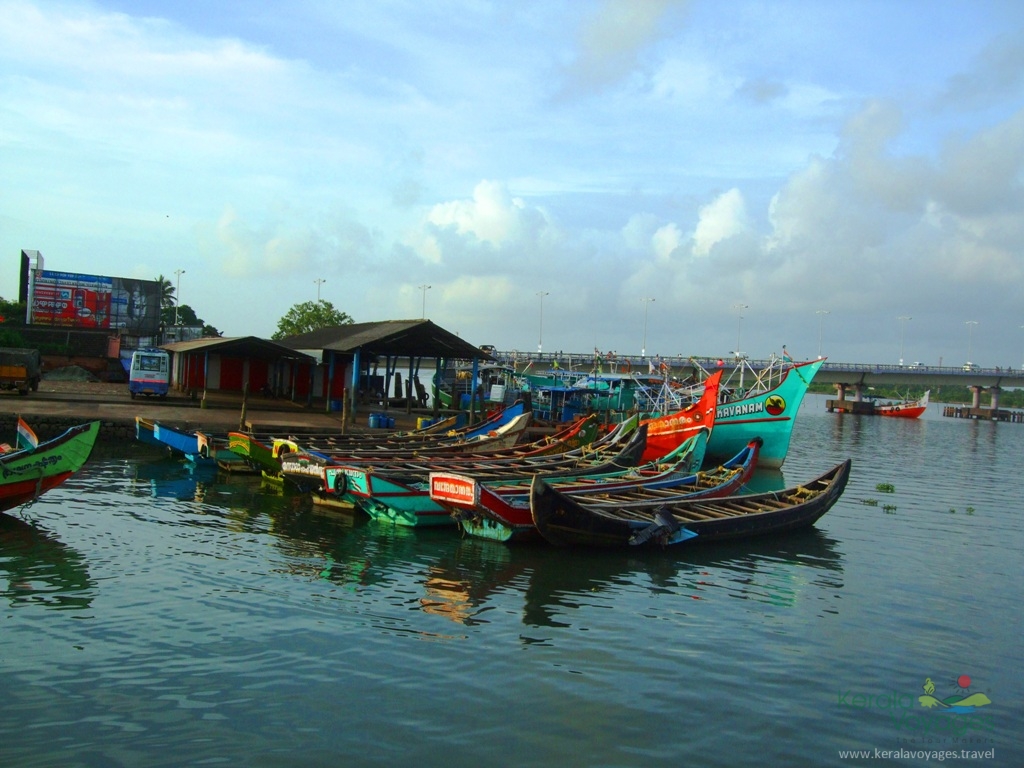
Salim Ali Bird Sanctuary, Thattekkad is a home for 280 species of birds including Grey hornbill, White-bellied tree pie, Rufous babbler, Wayanad laughing thrush, etc and a number of water birds.
Munnar is a misty, lush green hill station up in the Anamalai range of Kerala; Munnar’s tea gardens, some of the highest in the world, stretch up the sides of the hills and are interspersed with pockets of forest rich in birds. Its is situated at the confluence of three mountain streams – Mudrapuzha, Nallathanni and Kundala. Surrounded by almost 30 tea gardens that give it a picturesque view, Munnar is near Anaimudi, the highest peak of the Kerala Western Ghats.
Day 04 – Munnar
After early breakfast at the Hotel, proceed for a Nature History Trail of Munnar. Also visit Tea Museum. You will have options for soft biking through the Tea plantations. Overnight at Hotel.
 Set at an altitude of 6000 ft in Idukki district, situated at the confluence of three mountain streams, Munnar was the favored summer resort of the erstwhile British rulers in the colonial days. Sprawling tea plantations, picturesque towns, winding lanes, trekking and holiday facilities makes Munnar a holiday resort. Among the exotic flora found in the forests and grasslands here is the Neelakurinji a flower, which bathes the hills in blue once every twelve years. Munnar also has the highest peak in South India – Anamudi – which towers over 2695 M and is an ideal spot for campers who like trekking.
Munnar History Trail is a soft hiking programme highlighting the following:
- Head works dam- the first hydro –electric project in Kerala built during the British period. The trail leading to the next destination from this point is passing through tea garden and lake side which gives a fine birding walk.
- The Blossoms Park – The Blossom park is attached to the Head works dam. The tunnel from the dam to the power house is located in the park. Plenty of exotic trees and plants from British period can be seen in this park.
- High range club – It is a club of plantation managers constituted during the British period. An old golf course is also located in this club.
- Heather cottage – built and found during the British period , this is the first of its kind in Kerala. The founders practiced worshiped Anti-Christ.
- Old hanging bridge – connecting the Old Munnar market with Club road.
- The CSI church- Built during the British period where early planters were buried. It was built in memory of Eleanor Isabel – young wife of a planter died after 7 days of Marriage.
- Munnar Market- a beautiful vegetable and provision market.
- Fusion Hill- where a mosque, church and temple are located face to face. It is the place which is mentioned in ‘Life of Pie’-
Day 05 – Munnar – Indira Gandhi National Park (Topslip) – 70 kms
After breakfast at the Hotel, drive to Marayoor Sandalwood forest for a soft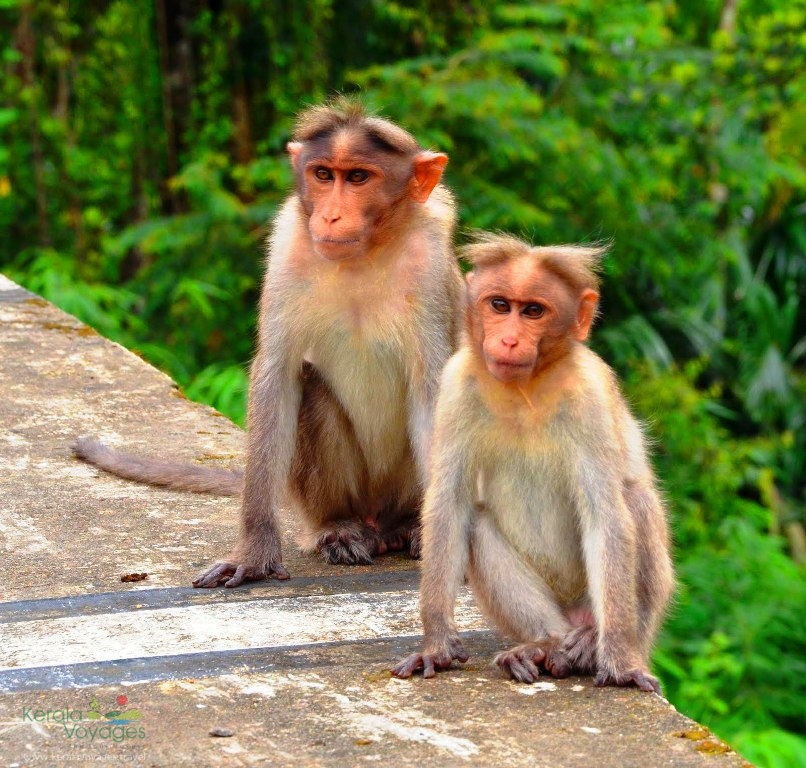 trek and later to visit a tribal village. Afternoon you will be taken to Chinnar National Park for a 3 hour trekking through the forest. Today you will stay at a Farm Resort owned by one of the planters of the region.
Munnar is a misty, lush green hill station up in the Anamalai range of Kerala; Munnar’s tea gardens, some of the highest in the world, stretch up the sides of the hills and are interspersed with pockets of forest rich in birds. Its is situated at the confluence of three mountain streams – Mudrapuzha, Nallathanni and Kundala. Surrounded by almost 30 tea gardens that give it a picturesque view, Munnar is near Anaimudi, the highest peak of the Kerala Western Ghats.
Exotic and pristine, Marayoor is a unique place where tourism meets adventure. The enchanting beauty of Marayoor offers diversity in every aspect of the land and culture. Hamlets, rocky hills, rivers, brooks, cave temples, paddy and sugar cane fields, waterfalls, sandal wood and bamboo forests… Marayoor is famous for its natural sandalwood forests grown in natural abundance. Marayoor is the only place in Kerala where natural sandalwood forest is seen. Chinnar wild sanctuary is the haven for two highly endangered species – the grizzled giant squirrel and the star tortoise.
As you go on the nature trail in Chinnar, you are bound to come across a fascinating plethora of bird and animal life. In your journey to Anamalai, you will touch the main land again but on the eastern side of the Western Ghats. On the way you can see an entirely different way of village life from Kerala. The vast expanse of hundreds of crops, sacred groves, termite mount temples and if in season, can participate in a village festival like fire walk, Jelly Kettu (Bullfight) etc.
Chinnar Sanctuary is located in the eastern slope of Western ghats sharing its flora and fauna with Indira Gandhi Wildlife Sanctuary and Eravikulam 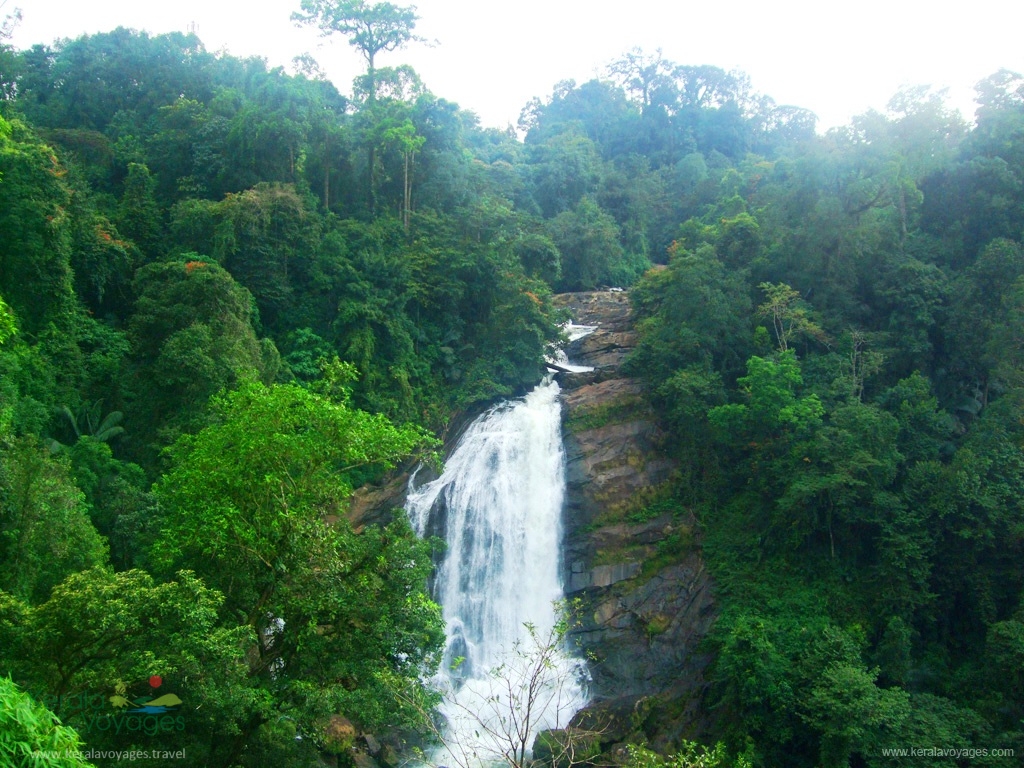 National Park. The sanctuary has an area of 90 sq.km. Chinnar has the unique thorny scrub forest with Xerophytic vegetation . The undulating terrain with rocky patches manifolds the scenic splendor of the sanctuary. As the altitude varies from 500 to 2,400 m above sea level within a few kilometer radius, there is a drastic variation in the climate and vegetation.
This sanctuary has also rainfall ranging from 600 mm to 3000 mm and a dry season ranging from three to six months Elephant, gaur, leopard, spotted deer, sambar, grizzled giant squirrel, hanuman languor etc. inhabit the Chinnar forests. The grizzled Giant squirrel is an endangered species.
Day 06 – Indira Gandhi National Park (Topslip)
Visit to Indira Gandhi National Park. Hike through the sanctuary. Full day to discover the wilderness of Anamalai Hills. Trek to Kariayanchola National Park. Enjoy an evening safari through the moist deciduous forest to spot animals. Overnight stay at the resort.
Kariayanchola National Park – a unique wet evergreen primary forest having high density of endemic plants, reptiles and amphibians. It harbors 14 out of the 16 Western Ghats endemics. Anamalai Hills, a range of mountains in southern India, a portion of the Western Ghats, after this range has been broken by the Palghat Pass, south of the Nilgiris. They really consist of a forest-clad and grassy tableland, with summits rising about 8000 ft.
Day 07 – Ooty (Tamilnadu)
After breakfast, proceed to Ooty through the Mountain train (heritage steam engine). You will board the Blue Mountain Train from Mettuppalayam to Ooty – An amazing climb from 700 MSL to 2000 MSL.AS there are chances of cancellations on the schedules of the Mountain train, we don’t guarantee the same. On arrival, check in at the Hotel. After lunch, visit to Botanical Garden and around. Overnight at Ooty.
The journey to Ooty has to cross the biggest gap in the mountains which separate Anamalai (Elephant Hills) and Nilgiris (Blue Mountains). Ooty stands at 7,347 feet above sea level in the Nilgiri mountain range. The landscape is marked by rolling hills covered with dense vegetation, smaller hills and plateaus covered with tea gardens, and eucalyptus trees. Many portions of the hills are preserved as natural reserve forests.
Day 08 – Ooty
Full day to explore the scenic beauty of Ooty. Overnight at the Hotel.
The “Queen of hill stations”, is the capital of Nilgiri district. Nilgiri means “Blue Mountains”. Situated at an altitude of 2,240 meters above sea level, it is a land of picturesque picnic spots. Lofty mountains, dense forest, sprawling grasslands and miles and miles of tea gardens greet the passengers on most routes.
Day 09 – Ooty-Mysore
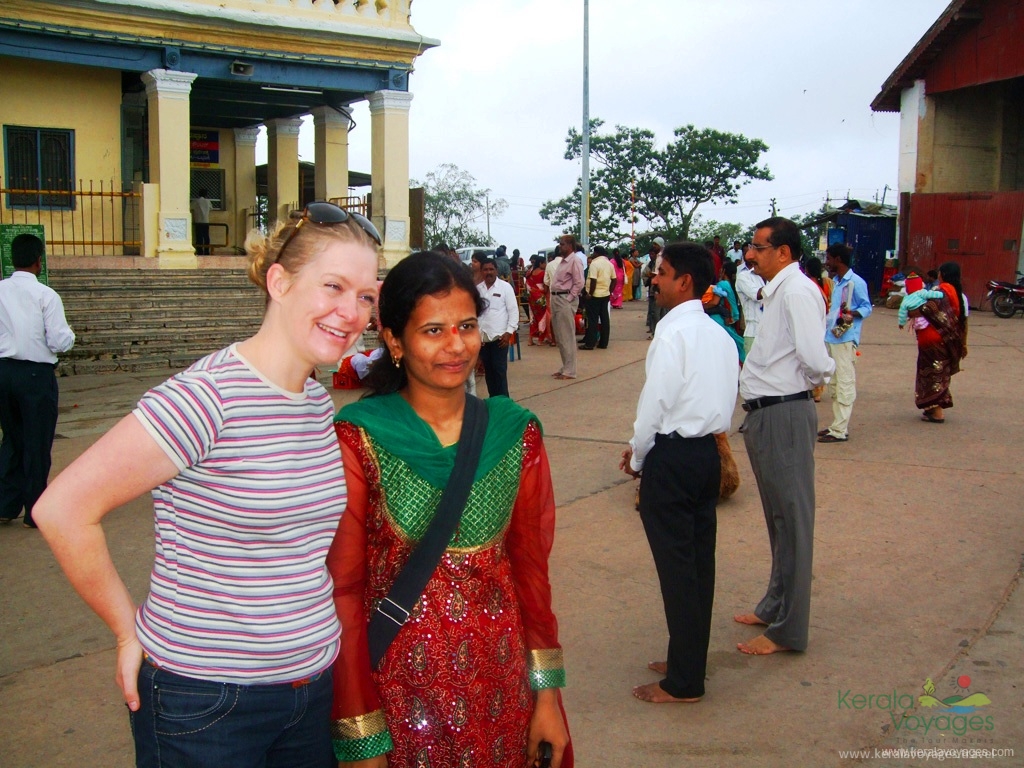 Morning, proceed to Mysore. Enroute visit to Bandipur & Mudumalai Sanctuaries. Arrive Mysore by late evening. Overnight at the Hotel in Mysore.
The Bandipur National Park is one of the most fascinating wildlife centers, nestled in the foothills of the Nilgiri. As you penetrate deep into the forests, you can almost hear the mute conversations between the animals and the trees. There’s a lot, lot more to discover. Bandipur National Park is a playground for wildlife with elephants taking the lead role. Be prepared for an unforgettable experience-you might see a tiger prowling amidst the mix of deciduous and evergreen forest and scrubland vegetation. Set against the picturesque backdrop of the enchanting Nilgiri Mountains with their mist-covered peaks, Bandipur was once the Mysore Maharaja’s private hunting ground. It was brought under project Tiger in 1974. This is one of the best game sanctuaries in India to observe and photograph wildlife in close proximity. A temple perched atop Himavad Gopalaswamy Betta,the highest peak in the Bandipur range, is worth a visit. Bandipur National park has an area of 874.2 Sq. Km and flanked by Karnataka’s Rajiv Gandhi National Park to its northwest, Tamilnadu’s Mudumalai Wildlife Sanctuary to its Southwest and Kerala’s Wayanad Wildlife Sanctuary to its Northwest. Together these constitute the Nilgiri Biosphere Reserve. The Flora and Fauna are of deciduous and evergreen forsts and scrubland vegetation. Mammals include the tiger, leopard, elephant, gaur, sloth bear, Dhole, sambar, spotted deer, barking deer, mouse deer and the slender loris. Reptiles found are rat snake, Russell’s viper, common krait, Indian python, flying snake and the cobra. Over 200 species of birds have been identified making it a bird watchers’ paradise. Some of the most notable ones are the heron, stork, egret, grey jungle fowl, partridge, quail, green pigeon, hornbill, lapwing and peafowl.
Day 10 – Mysore
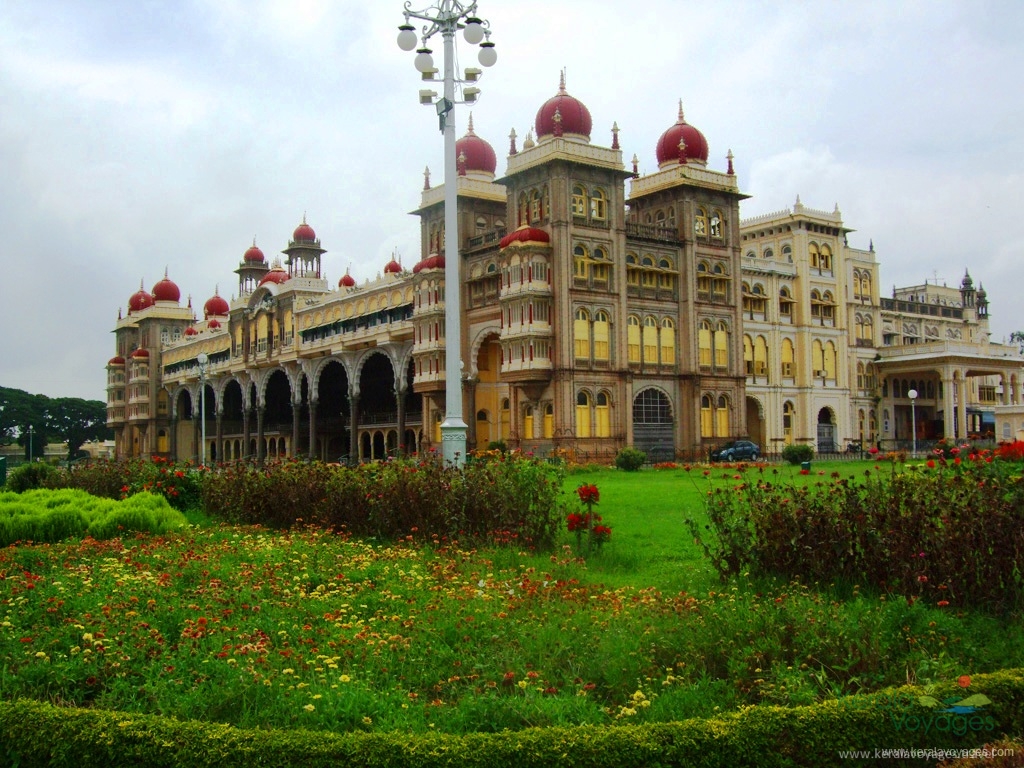 Day to explore the royal Palace of Mysore and the rich heritage.Mysore is known as the city of Palaces and the entire architecture and decorum of the place is in harmony with the Royal style for which Mysore is known. Today you will visit, Maharaja’s Palace, Chamundi Hills, Nandi Bull etc. Evening you may opt to go for a shopping. Mysore Silk is very popular and worth to have a look. Overnight at the Hotel.
Mysore, the capital city of the Wodeyars has always enchanted its admirers with its quaint charm, rich heritage, magnificent palaces, beautifully laid-out gardens, imposingbuildings, broad shady avenues and sacred temples. There’s an old world charm about the city that reaches out and leaves no one untouched.Visit the palace of the Maharaja built in 1911-12. The palace is of harmonious syntheses of the Hindu and Saracenic styles of architecture with archways, domes, turrets, colonnades and sculptures which are magnificent. Visit the Art Gallery; drive up to Chamundi hill to see Chamundeshwari Temple & a panoramic view of Mysore. On the way back, see the Nandi Bull. Mysore is known the world over for its exotic sandalwood and rich silks. Mysore, an undulating tableland, covered in parts by granite outcrops and fringed by verdant forests, offering several attractions ranging from the royal splendor of Mysore City and its fabulous Dasara Festival to exquisite temples, pilgrimage centres and scenic spots.
Maharaja’s Palace is a synonym for Mysore in the Tourist Map. Its built in Indo-Saracenic style with domes,turrets,arches and colonnades. The Palace is a treasure house of exquisite carvings and works of art from all over the world. The walled Palace complex houses the Residential Museum,temples and shrines including Shwetha Varahaswamy Temple.The jewel studded golden throne,the pride of the Wodeyars and the symbol of their sovereignity, displayed here during Dussehra festival in October. The Palace will be lit with One Hundred Thousand electric bulbs on Sundays and Public Holidays.
Day 11 – Mysore
Full day to explore the cultural heritage and flora & fauna of Mysore city.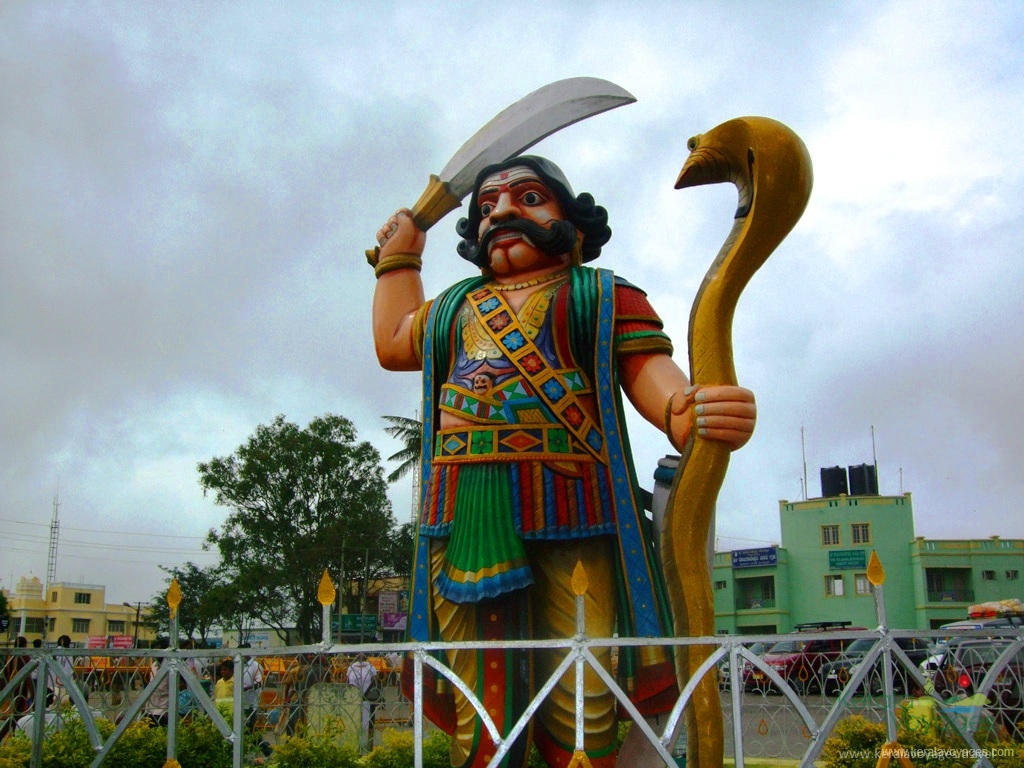 After an early breakfast drive to Rangathittu Bird Sanctuary. Later visit Srirangapatnam & Somnathpur. Overnight at the Hotel in Mysore .
Just outside Srirangapatna, the Cauvery River meanders around a string of tiny islets, which together form a splendid nesting site for birds. Experience a boat ride that takes you within touching distance of the birds, as marsh crocodiles bask in the sun. Delight in watching the winged visitors making happy forays into the water. You can also test your observation skills by trying to spot flying foxes hanging from the trees at dusk.The bird life here includes the little cormorant, large cormorant, shag, darter, white ibis, spoonbill, open billed stork, painted stork, egret, heron, river tern, great stone plover, kingfisher, Indian cliff swallow, and the lesser whistling teal.
The island fortress of the legendary warrior king Tipu Sultan, Srirangapatna is just 16km from Mysore city. Inside the fortress is Tipu’s mosque with its twin minarets, the celebrated Ranganatha Swamy Temple, Tipu’s Summer Palace, the Wellesley Bridge, and the dungeons where British officers were once imprisoned. Equally impressive is the ornate white-domed Gumbaz, an imposing structure with doors of ebony inlaid with ivory and lacquered with Tipu’s tiger-striped emblem. About 1km to the east of the fort is Tipu’s Summer Palace (known as the Daria Daulat Bagh) set amidst a lovely garden.
Fort : It is from here that Tippu charged at the British soldiers with his legendry sword. An obelisk in the Fort marks the place where he fell – betrayed by his own men. Within the Fort is a Mosque and the Sri Ranganathaswamy Temple.
Daria Daulat Bagh : Built in 1784, this Summer Palace was one of Tipu’s favourite retreats. It stands on a raised platform at a height of 1.5 metres. The Bagh is situated on the banks of Cauvery river has treasured the paintings, engraving, arms that depict the Valant victories and Struggles of Tipu Sultan. The structure made of teak, this Indo-Saracenic structure has ornate and beautiful frescoes. The corridors showcase murals which describe Tipu’s ordeals in the battlefield against the British.
Museum showcases painting with Tipu wearing a turban, a striped shirt, a necklace and a belt adornedwith precious stones with a sword attached. In 1792, G F Cherry painted the portrait. One more portrait was made by Jony Zoffany in 1780. There are pencil sketches of the Tipus sons, minister of the Nizam, his son, Krishna Raja Wodeyar III his maternal uncle, Nandi Raja all drawn by Thomas Hickey, an English artist between 1799 and 1801. The museum boast ofcollection of coins of various denominations of those times and medals made of bronze, silver and copper issued by the English to commemorate their victory over Tipu.
Masjid-E-Ala or Jamia Masjid :The mosque situated near the Bangalore Gate of the fort buit by Tippu Sultan It is said that he performed the first imamath himself. standing on a high basement with an open court in the open court in the front and a covered verandah with a spacious prayer hall with the “Mihrab” on the west. There is an inscription mentioning the ninety-nine names of Allah and another records the date of its construction by Tippu in 1787 A.D.There are 2 minarets that are double storied and octagonal in shape with pigeonholes surmounted by domes that adds to the  grandeur of the entire structure. There are 200 steps leading to the top of the minarets from where one can get a picturesque view of the Masjid.
Gumbaz : Mausoleum of Tippu Sultan, and his father Hyder Ali and mother Fathima Begam. This was built by Tippu Sultan between 1782-84, the Gumbaz, an imposing structure in the midst of the Lalbagh garden, stands on a high and wide platform with an open verandah of polished pillars all round.The importance of Gumbaz lies in its well-shaped large dome, ivory inlaid doors, carved stone windows of fine workmanship and inscriptions. Tipu’s favourite Tiger stripes cover the walls.Inside are the tombs of Haidar in the center, his wife and his son Tippu on either side. In the verandah and on the platform are the other tombs of Haidar’s family members.
Colonel Bailey’s Dungeon :Named after Colonel Bailey who died here in 1780 A.D., this dungeon was used to imprison Captain Baird, Colonel Brithwite, Captain Rulay, Frazer, Samson and Lindsay by Tipu Sultan. The dungeon measures 30.5 metres width 12.2 metres height and is built of brick and mortar. Prisoners were chained to stone slabs fixed on its walls. During the seige of Srirangapatnam, one of the cannons rolled back, pierced the ceiling and fell into the dungeon. One can see them still lying there .
Somnathpur, a tiny village on the banks of the Kaveri, 140 kms, south-west of Bangalore. This place boasts of one of the last and the grandest of Hoysalamonuments – the Kesava Temple. The riches and splendour of the Hoysala court were already evident in their grandtemples at Belur and Dvarasamudra (present day, Halebid).The temple, however, was built by this celebrated army commander, Somnath. Some year ago he had founded a village on the left bank of the Kaveri River, which he named Somnathpur, after himself. All the facts are duly mentioned on the slab in old Kannada script and appear as though to have happened yesterday!Somnathpur is more representative of the age, since it did not suffer destruction as much as Belur and Halebid did and hence offers a more unbroken view of period’s architecture. Often it is referred to as the poor cousin of Belur and Halebid.Its unique design and perfect symmetry are ignored amidst the farms and agricultural lands of surrounding villages.
Day 12 – Kabini (50 kms-1.5 hours drive)
Morning, proceed to Kabini. On arrival, check in at the Hotel. Rest of the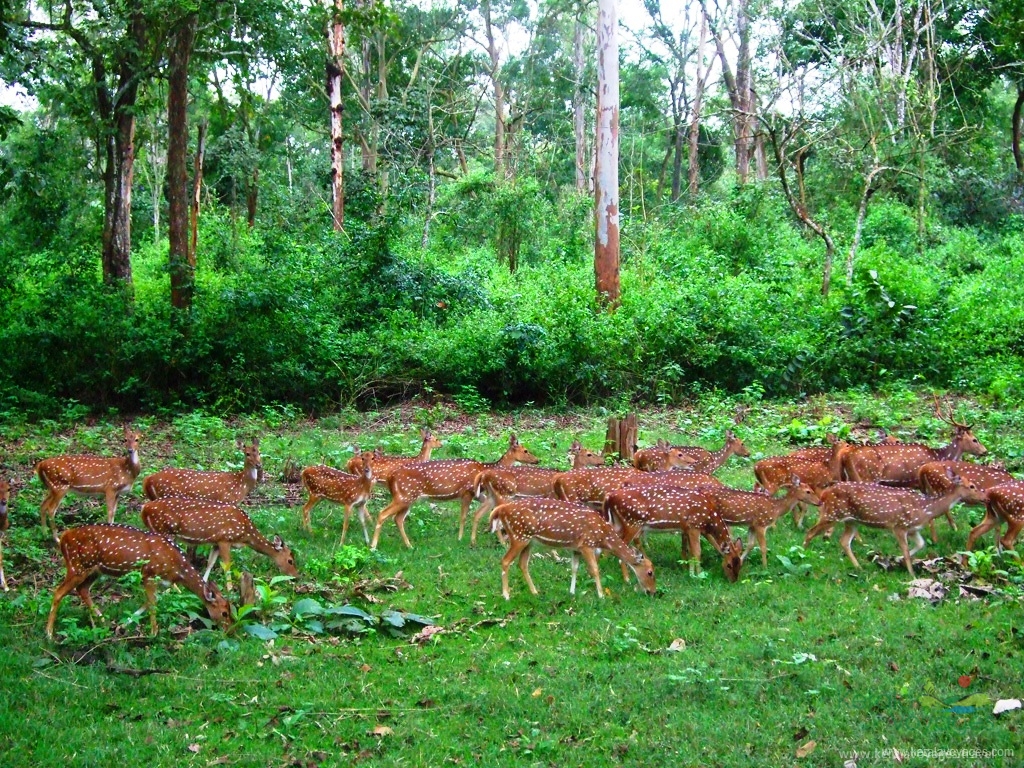 day to discover the wildlife. Overnight at the Hotel in Kabani.
Nestled amidst the Karapur Forest lays a pristine piece of land that abounds with nature. Beckoning you to explore it for a wild exciting holiday. The steep valleys with rich forests, spectacular pools and rapids provide an ideal opportunity to revive your adventurous spirits.
Day 13 – Kabini (Nagarhole National Park)
Early morning go for a guided Jeep Safari through the National Park.Rest of the day free for boating in the Kabini River or free walks.Overnight at the Hotel in Kabani.
Nagarhole , a Kannada name has meaning of Snake River. The name derives from the winding course of the river that flows through the forests. Nagarhole has an astonishing abundance of wildlife, especially the Asiatic elephant. The backdrop of the distant misty blue Brahmagiri Mountains, the natural sounds of the jungle, the gurgling of streams and rivers and the twittering of the birds, make a trip to Nagarhole a memorable experience.It has an area of 643.39 Sq.km. Covered mainly by moist and dry deciduous forests, and dominated by teak, rosewood and dry deciduous forests in the eastern limits of the peak. Mammals include elephant, tiger, leopard, wild dog,sambar, barking deer, sloth bear, wild boar, Indian bison, mouse deer, spotted deer, slender loris, black –naped hare, jackal, langur, wild pig, porcupine, Malaba r squirrel,striped hyena and four-horned antelope.Birds in this Park consists mainly of Herons, storks, egrets, ducks, kites, egales, falcons, partridges, peafowl, lapwings, sandpipers, woodpeckers, sunbirds, wagtails, warblers, babblers, shrikes and owls. Reptiles commonly found are marsh crocodile, star tortoise, common indian monitor, chameleon, rat snake, Russell’s viper, common krait and Indian python.
Day 14 –Kabani- Vythiri -3-4 hours
After Breakfast, proceed to Vythiri. Rest of the time free at the resort to enjoy the activities at the resort. Overnight at the resort.
Wayanad, one of the districts in Kerala that has been able to retain its pristine nature. Hidden away in the hills of this land are some of the oldest tribes, as yet untouched by civilization. Wayanad is known for its picturesque mist clad hill stations, sprawling spice plantations, luxuriant forests and rich cultural traditions. Rains at Vythiri Village are like poems of nature wrapped in nostalgia as they bring the warmth of the earth to meld with the misty clouds. The aroma of the soil mingles with the wetness of the air and tingles our senses like the caress of a cool wind. Further, the little stream lowing creates a beautiful sound and whoever listens to it feels the beauty of nature. One gets easily mesmerized with the beauty of the surroundings.
Day 15 – Vythiri
After breakfast, you may take a desirable option for sightseeing. The options are like Pookkot Lake, Soochippara Waterfalls and Banasura Dam. Otherwise you may opt to go for a day trip to Kuruva Islands. Sometimes, you may not prefer to come out of your resort because of the amazing Nature around you. Dinner and overnight at resort.
Pookot Lake: Set in a beautiful valley and surrounded by evergreen forests and wooded hills, Pookote is one of Wayanad’s top visitor draws. This natural lake near Lakkidi is just a short distance off the National Highway 212. It has been developed as a recreational centre having boating facilities, children’s park, shop for souvenirs and spices, and a fresh water aquarium. Replete with a café and restaurant, this is a good setting for day outings with family.
Soochippara Waterfall: The waterfalls at Soochippara near Meppadi are really a treasure of nature, yet to be discovered. The stretches of waterfalls ranging at places from 100 to 300 feet height are a treat to the eyes. The pool below provides for water rafting, swimming, bathing, etc. The tree top huts at Soochippara give a unique view of the valleys of the Western Ghats and the glimmering shallow waters of the surrounding spring.
Kuruva Island: The Kuruva islands are a group of three islands located in the middle of one of the tributaries of the east-flowing river Kabani. This 950 acre tract of uninhabited land is rich in flora and fauna. Rare species of birds, orchids and herbs can be seen here. It is a must see destination for nature lovers and a popular picnic spot.
 Banasura Dam: The Banasura Dam is built across Karamanathodu, a tributary of the Kabini River, and is part of the Banasura Sagar Project aimed at supplementing the Kakkayam Hydro-electric project, and to provide drinking water and irrigation facilities to the region. It is the largest earthen dam in India and the second largest in Asia. The islands that were formed when the reservoir submerged the surrounding areas make a pretty sight against the backdrop of the Banasura Hill. Boating is a favorite activity here.
Day 16 – Vythiri – Calicut Departure.(2 Hour Drive)
Like all good things,your holiday experience comes to an end but you will always take with you memories of this unique and unforgettable experience. Today you will be assisted and transferred to Cochin International Airport to connect your flight home.


