- Company
- About Us
- Brand Story
- Our Team
- Testimonials
- Ethical Code
- Sustainable Tourism
- Sustainable Tourism Mission Statement
- Corporate Sustainability Policy
- The carbon footprint of tourism
- Sustainability Feedback
- Dos & Don’ts
- Related Links to Sustainable Tourism
- Safe Travels Protocols
- Sustainability Guidelines for Activities
- Fair Trade Division
- Case Study : Keralavoyages
- Sustainability Progress Report
- Awards & Acknowledgements
- Sustainable Policies
- Privacy Policy
- Contact
- Services
- TRAVELERS PICK
- Sustainable Itineraries
- Tours in India
- Day Programs
- Special interest tours in India
- Luxury Tours in India
- Beach Holidays
- Culture, Tradition and Lifestyle
- Nature Trails
- Women Tours
- Family Holidays
- Nature Walks and Wildlife Safaris in India
- Backwater Tours in Kerala
- Ayurveda Holidays in Kerala
- Trekking & Camping
- Temple Tours in India
- Birding Tours in the Western Ghats
- Art Forms & Festival tours
- Tribal Village Tours in India
- Heritage Tours in India
- History & Archeology Tours in India
- Special accommodations in South India
- Active Holidays
- 12 Days Kerala, Karnataka and Goa
- 7N Multiple Days Trekking and Camping in Munnar
- Nature Walks & Wildlife – Western Ghats Birding & Safaris
- Nature Treks & Wildlife Safaris – Western Ghats Birding & Safaris Shorter Version
- Cycling & Trekking in Kerala – 15 days activity tour in Kerala
- 5 days trekking and staying at Jungle Lodges in Chinnar Wildlife Sanctuary, Munnar
- 14 Days Western Ghats – Nature Walks, cycling & Wildlife Safaris
- MICE
- Destination Wedding
- Destinations
- Exclusive
- Contact



Wildlife, Birding & Adventure
14 Days 13 Nights Wildlife, Birding & Adventure Tours in Western Ghats of South India
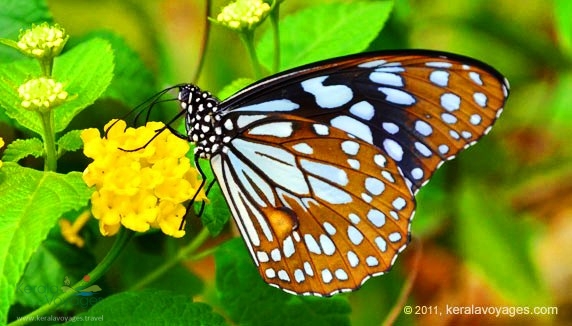
This programme is so well designed by our Naturalist Mr.Benny Kurien who has dedicated his life to the study and reasearches on the bio diversity, flora & fauna in Western Ghats and published many books on the Western Ghats. The main attraction is that Mr Benny Kurien or one of his senior Naturalists will be accompanying the group to give the best experience and knowledge. All the local soft & hard adventure activities are organized with the assistance of the local Eco Development societies formed from the local society and Tribal Communities to pass on the benefits to the Social development.
Mountain ranges of the Western Ghats run parallel to the west coast of India from north at Tapti river to Cape Comerin at South and extended to Srilanka after a gap. The Western Ghat mountains are continuous approximately to a distance of 1500 kms. The mountains are believed to be a part of the ancient Gondwanaland.The archeological sites of the Ghats give us a clear picture of the South Indian ethnology and civilization. The Shola forests known as the living fossils are the home for many of the ancient species trace back to the Gondwana land.
The below tour on the Western Ghats of South India is to provide you the best in wildlife, adventure,bird watching, trekking experience in a distinctively different way with an expertise on the region. This programme spreads over Kerala, Tamilnadu and Karnataka in South India.We operate this programme with all necessary permissions through the approved routes respecting the maintenance of the forest laws and without disturbing the animals.
Day 01 – Cochin
On arrival at Cochin, you will be met by our meet & greet service and transferred to hotel. After check in you will meet our naturalist who will give you an introduction to what you can expect on your experience and answer any questions you may have. Our ground representative will also be on hand to explain ground arrangements etc.Rest of the day go for shopping or just explore the city at your own pace accompanied by our driver. Evening, enjoy a fusion of traditional dance forms of Kerala at a cultural center in Cochin. Overnight at the hotel for a well deserved rest.
A leisurely walk through the Fort Cochin area which gives you a close look at the operation of the huge cantilevered Chinese fishing nets, low flying turns and black kites, if lucky you can spot dolphins in the estuary.
Day 02 – Kodanad-Thattekkad
After an early breakfast, drive to Kodanad to watch elephant bathing, feeding etc. Later drive to Thattekkad Bird Sanctuary. Check into your hotel.Visit Salim Ali Bird Sanctuary. Afternoon,go for a trekking through the Pooyamkutty forest attached to the sanctuary. Overnight stay at Thattekkad.
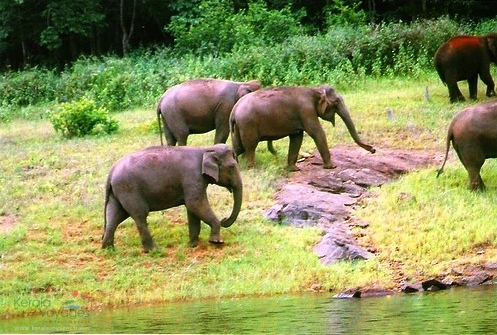 Located on the shores of river Periyar, Ernakulam district, Kodanad is also the headquarters of Malayattoor forest division. This village is famous for its elephant kraal and a mini zoo. Baby elephants from nearby forests, either washed away in the floods or abandoned by herds, are brought here and domesticated. They are housed in Kraals, traditional wooden cages. Trained mahouts groom the animals and the training is quite scientific and systematic. About five babies are received every year. In olden days elephants were captured from the Malayattoor forests and domesticated here. But it is no longer a practice since the government has banned capturing of elephants. Elephant safari is another attraction here. Large number of wild life enthusiasts and tourists from around the world visit Kodanad every year.
Thattekkad is made up of tropical evergreen and deciduous forests and some grassland patches. This globally acclaimed bird sanctuary owes much of its fame to Dr. Salim Ali, the internationally renowned ornithologist. After his famous bird survey of Travancore in the early 1930s, he reported that this area is extremely rich in bird diversity and that it should be made into a bird sanctuary. Thus his efforts were instrumental in the formation of this sanctuary to a large extent. More than 300 species of birds are found here.Spread across 25 sq. km. the sanctuary lies between the tributaries of the River Periyar like a peninsula. Thattekkad also has extensive plantations of teak, rosewood, maho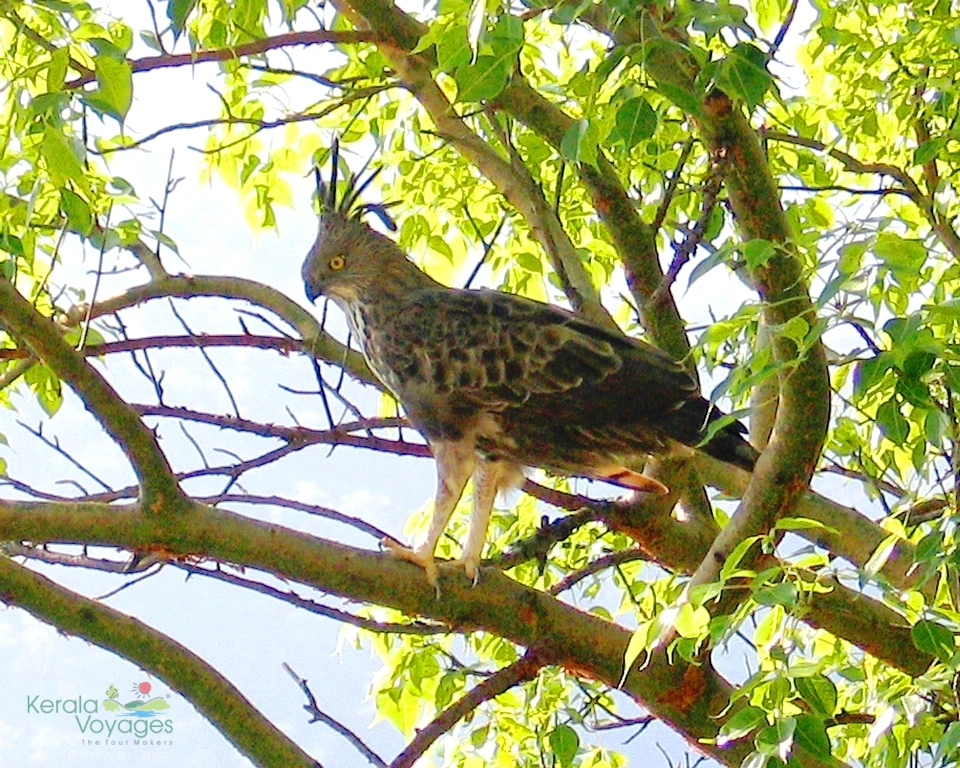 gany. The dense forest is also home to nearly 28 species of mammals and about 9 species of reptiles. Thattekad Salim Ali Bird Sanctuary, is one of the low altitude evergreen forest. It is a home for 280 species of birds including Grey hornbill, White-bellied tree pie, Rufous babbler, Wayanad laughing thrush, Grey headed bulbul, White-bellied blue flycatcher, Crimson-backed sunbird, Nilgiri wood pigeon, Malabar parakeet etc and a number of water birds.
Day 03 -Thattekkad – Munnar
Morning, after breakfast, proceed to Munnar, known as nature lover’s paradise (2.5 Hours). You will drive through Midland crops like Rubber, arecnut, pineapple etc. Afternoon free to go for a Nature History Trail of Munnar by walk. Overnight at the Hotel.
Munnar… breathtakingly beautiful – a haven of peace and tranquility – an idyllic tourist destination in God’s own country with unending expanses of tea plantations… pristine valleys and mountains… exotic species of flora and fauna in its wild sanctuaries and forests… aroma of spice scented cool air. Munnar has all these and more…. It’s the place you would love to visit… It’s the place you would wish never to leave.
Set at an altitud e of 6000 ft in Idukki district, situated at the confluence of three mountain streams, Munnar was the favored summer resort of the erstwhile British rulers in the colonial days. Sprawling tea plantations, picturesque towns, winding lanes, trekking and holiday facilities makes Munnar a holiday resort. Among the exotic flora found in the forests and grasslands here is the Neelakurinji a flower, which bathes the hills in blue once every twelve years. Munnar also has the highest peak in South India – Anamudi – which towers over 2695 M and is an ideal spot for campers who like trekking.
Munnar History Trail is a soft hiking programme highlighting the following:
- Head works dam- the first hydro –electric project in Kerala built during the British period. The trail leading to the next destination from this point is passing through tea garden and lake side which gives a fine birding walk.
- The Blossoms Park – The Blossom park is attached to the Head works dam. The tunnel from the dam to the power house is located in the park. Plenty of exotic trees and plants from British period can be seen in this park.
- High range club – It is a club of plantation managers constituted during the British period. An old golf course is also located in this club.
- Heather cottage – built and found during the British period , this is the first of its kind in Kerala. The founders practiced worshiped Anti-Christ.
- Old hanging bridge – connecting the Old Munnar market with Club road.
- The CSI church- Built during the British period where early planters were buried. It was built in memory of Eleanor Isabel – young wife of a planter died after 7 days of Marriage.
- Munnar Market- a beautiful vegetable and provision market.
- Fusion Hill- where a mosque, church and temple are located face to face. It is the place which is mentioned in ‘Life of Pi’-
Day 04: Munnar
Today you will go for a full day guided Rainforest trek at Pampaduchola National Park. Return to Munnar for overnight stay.
High altitude montain forest or Shola forest is a unique biome spread across the high mountains of tropics. In scientific term it is described as Southern Wet Temperate Forest. Even in tropical belt, this forest is described as ‘temperate’ due to its unique eco-system which create ‘temperate’ climate and bio-diversity. Apart from adapted evergreen floral and faunal wealth , this forest carries species restricted to temperate climates. There are various scientific hypothesis regarding this unique characteristics of Shola forests. Any how these forests represents mother species from Gondana land. Since ice age and the corresponding climate change was not affected the tropics, these forests are of 65 to 70 millions old. Many giant size spore producers and primitive species of amphibians and reptiles found in shola shows its primitive phase.
The largest concentration of southern wet temperate forest is situated in the high mountain foldings of Western Ghats mountains of India. The Nilgiri bio-spehere and Anamalais carries the largest shola patches in the world. Anamudichola and Pambadum Shola , presently National Parks- (In Munnar region) constitutes the largest sholas in Asia. The Shola forest is not an independent eco-system. It consists of high grassland hills 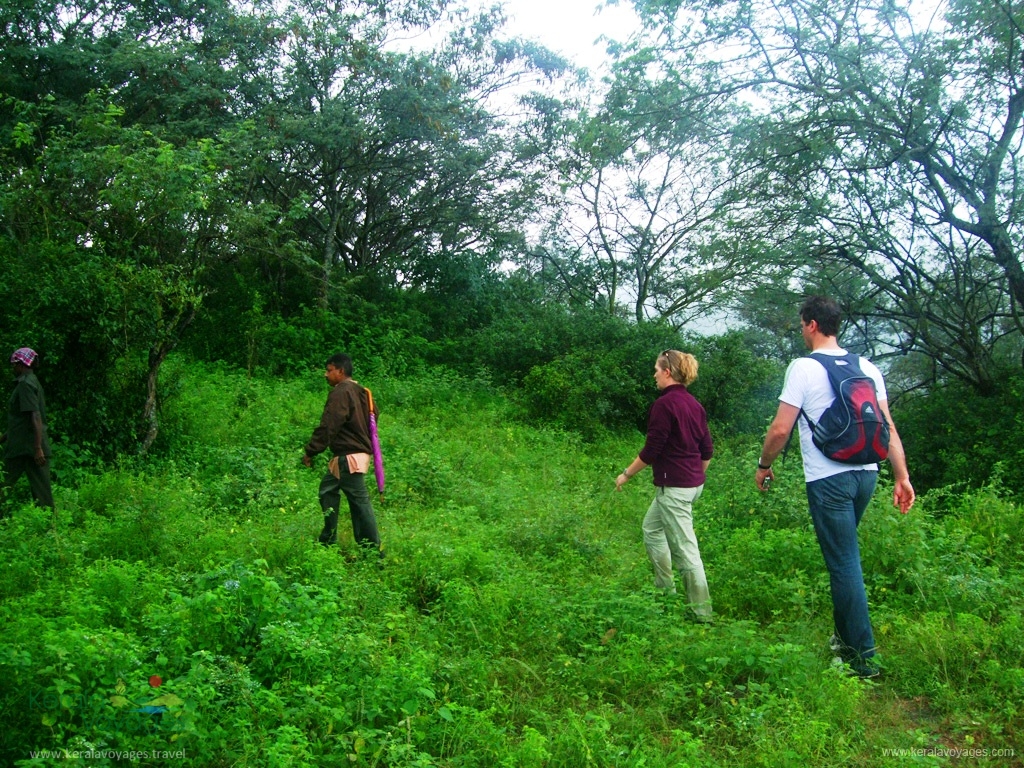 associated with the forests. Ecological importance of this forest is its ability to preserve water for perennial supply to streams originating from these forests. Major species of animals are Nilgiri langur (Western Ghats endemic), Nilgiri Marten (Endemic), Brown mangoes (endemic) , stripe necked mangoes, jungle cat, Nilgiri golden cat (endemic), Travancore palm civet (endemic) , Tiger, Leopard, Malabar giant squirrel , wild gaur , Sambar deer, barking deer, mouse deer , porcupine, sloth bear etc. Elephants are migrants to this region. The Shola carries 14 out of 21 endemic species of birds of Western Ghats.
A day in rain forest, while staying in Munnar gives glimpses of this unique ecosystem, which one cannot experience in other parts of India . Trekking through the forest is subject to the permission from Department of Forest, Govt. of Kerala. Our Adventure activity team has regular arrangements for permits as we are closely associated with the Eco Development Societies in any forest regions of Western Ghats in South India. We closely follow the preservation system of forests and its bio diversity.
Day 05: Munnar –Chinnar-Parambikulam
After an early breakfast at the Hotel, go for a full day guided jeep safari covering Anamudichola National Park, Kanthallore, Marayoor & Chinnar.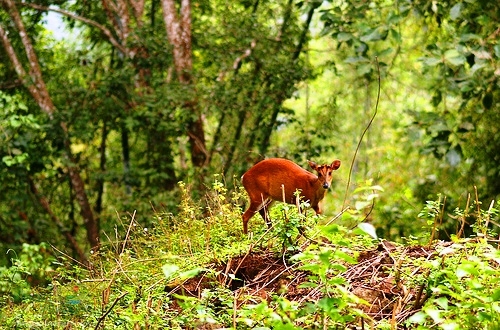 This trip will be a mix of safari through National Park, trekking in Dry Forest, tribal village visit etc. Lunch will be provided enroute. After a soft trek in Chinnar Wildlife Sanctuary, continue drive to Parambikulam to check into the Safari Tents inside the Reserve Forest. Overnight stay at Safari Tents.
8 AM Pick up from your hotel in Munnar after breakfast to drive to Anamudichola National Park through Madupatty and Kundala. The traverse is through elephant corridor of Madupatty. Anamudichola National Park is the largest high altitude cloud forest in Asia, which is more than 60 Million years old.This forest harbors many endemic species of primitive plants, orchids and animals. It has high endemism of plants and birds. It posses 12 species of endemic birds of western ghats like, Nilgiri fly catcher, Nilgiri laughing thrush etc. The golden tree ferns and other spore producers from Gondwanaland is the high light of this forest. This forest also holds Tiger, leopard including black panther, rare and endemic Nilgiri marten, clawless otter, golden cat etc. Nilgiri langur, Malabar giant squirrel etc are the arboreal animals of the forest.
We have a soft walk through the forest to enjoy the forest canopies, birds and flowers. Reach Perumala – in the out skirt of the forest by noon. Have a quick visit to a mountaoin village and tribal settlement- their contour farming, agricultural activities, lemon grass farm and distillery etc.
Later proceed to Marayoor valley. Taste a traditional lunch in banana leaf. Visit to a rock cut temple, ancient inscriptions etc. Walk to the Mount of the Dead, a world famous Megalithic site with dolmens, dolmenoid and dolmenoid cists.Visit to a traditional sugarcane farm and Jaggery (black sugar) manufacturing. Marayoor is famous for its Sandalwood Forest which is protected by the Forest Department.
 Proceed to Chinnar wildlife sanctuary. Hiking through the wildlife zone and visit to a Mesolithic Cave art site. As you go on the nature trail in Chinnar, you are bound to come across a fascinating plethora of bird and animal life. Chinnar Sanctuary is located in the eastern slope of Western ghats sharing its flora and fauna with Indira Gandhi Wildlife Sanctuary and Eravikulam National Park. The sanctuary has an area of 90 sq.km. Chinnar has the unique thorny scrub forest with Xerophytic vegetation . The undulating terrain with rocky patches manifolds the scenic splendor of the sanctuary. As the altitude varies from 500 to 2,400 m above sea level within a few kilometer radius, there is a drastic variation in the climate and vegetation.
This sanctuary has also rainfall ranging from 600 mm to 3000 mm and a dry season ranging from three to six months. Elephant, gaur, leopard, spotted deer, sambar, grizzled giant squirrel, hanuman languor ,long eared fish owl etc. inhabit the Chinnar forests. The grizzled Giant squirrel is an endangered species.
Day 06 -Parambikulam
Full day for exploring the Wildlife inside the Sanctuary.Morning you will go for an introductory safari and afternoon you will have a guided trek. You will have your lunch & Dinner at the Camp. Overnight at the Tents.
Western Ghats is one of the world’s 34 bio diversity hotspots. While considering the abundance of Wildlife and the adorable beauty of Nature, Parambikulam Wildlife Sanctuary is perhaps the most attractive piece of wilderness in the entire stretch of Western Ghats. Thus it is popularly revered as ‘Nature’s own abode’. It has a total area of 285 Sq. Kms.Tucked away in the valley between the Anamalai ranges of Tamil Nadu and the Nelliampathy ranges of Kerala on the majestic Western Ghats is the Parambikulam Wildlife Sanctuary. This virgin valley that is the pride of Palakkad district is a glorious tribute to untouched nature. The reservoir harbours several varieties of aquatic fauna including mugger crocodiles that are often seen sunning on its banks.This area is also known for the Tribal Heritage in Kerala.
Parambikulam Wildlife Sanctuary is the most protected ecological piece of Anamalai sub unit of Western Ghats, surrounded on all sides by protected areas and sanctuaries of Kerala and Tamil Nadu, the sanctuary is endowed with a peninsular flora and fauna which are excellently conserved due to total protection and minimal human interferences. The sanctuary being a major ecological continuum from Peechi to Eravikulam through Anamalai aids the large viable populations of wildlife. It is the home ground for different races of indigenous people who are as well an integral part of the prevailing harmonious ecosystem. The thick, opulent habitat of the sanctuary with ample water supplies make it an abode for wildlife and there by for tourist who can have treasured memories of animal sightings and that of being in the lap of mother nature.
Day 07-Parambikulam- Nilambur
After breakfast, drive to Nilambur to check into a 220 year old Palace converted Homestay which belongs to the Nilambur Royal Family. Experience the royal hospitality. Rest of the day free for walking around the villge. Overnight at Nilambur Puthiya Kovilakom.
Nilambur Kovilakams or palaces situated at the 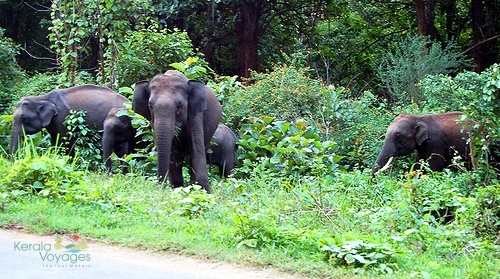 foot of the Western Ghats along the banks of the river Chaliyar, are architectural marvels known for their beautiful frescoes and wood work. These residences of the local rajas were built according to traditional Kerala architecture and boasts of excellent skill and craftsmanship.
The generous rulers of Nilambur who eventually emerged as one of the richest and most prosperous royal families of Kerala always gave impetus to the welfare of the society and played a significant role in shaping and evolving the Ernad Taluk into a modern township. Nilambur Kovilakam was one of the richest families in Kerala with over 125000 acres land as asset. But unlike many other royal families Nilambur kovilakam gave away a major chunk of its assets for the well being of the society without taking anything in return. More than 48 thousand acres of land was given to Muthumala wildlife sanctuary on lease which later came under the Government.
Day 08 – Nilambur
After breakfast visit the first Teak Museum in the World and the only one in India depicting the features of Nilambur Teak in comparison with other available varieties. Return home for lunch. Also visit Conolly’s Plot, the first Teak Plantation in the world.You may also visit the local market for shopping local handloom etc. The Nilambur Kovilakom is situated in a vast area and the Palace houses are now owned and inhabited by the present generation of the Royal family. The Palace temple also worth visiting though they don’t allow to enter inside. Afternoon you may opt to visit Adyanpara waterfalls with a soft trek through Nedunkayam area. Overnight at Puthiya Kovilakam.
The well-known Teak Museum is regarded as the first of its kind in the world and the only one in India; it is a house to the treasure s of historical, aesthetic and scientific aspects of Teak. The museum was established on the campus of the sub-centre of Kerala Forest Research Institute (KFRI) in 1995. The museum was established here owing to the historical significance of the region. The world’s first Teak (Tectona grandis) plantation was raised in Nilambur way back in the 1840s in order to ensure a steady supply of Teak timber to the British.
The ground floor of the double-storied museum exhibits a translite of Kannimara Teak, the oldest naturally growing teak tree located at the Parambikulam wild-life sanctuary and the life-size replica of the trunk of the largest known teak tree growing in the Malayattoor forest division. Another translite of a giant tree present in the oldest teak plantation in the Conolly’s Plot at Nilambur offers the visitors a glimpse into the teak plantation activities undertaken 160 years ago. The 142 mtr long hanging bridge across Chaliyar River to Conolly’s plot is also an interesting part of the visit.The largest Teak in this plantation has 4.9 Mtrs width.Some of the other attractions here are the traditional granary and a miniature model of sailing vessel called Uru made of teak wood.
Detailed description on the flower, fruit and natural regeneration of teak as well as the prominent characteristics of these species of trees are exhibited in the first floor of the museum. In addition to this, the various methods of seed-grading, presowing treatment, preparation of teak stumps, vegetative propagation of teak and the different stages in the complete rotation cycle of teak from seed to mature tree are also on display.
Apart from tea k, the mueusm also has a collection of over 300 butterflies, moths and insects found in teak plantations. Another exclusive section in the museum deals with the various physical disorders of teak, disease-causing insects and pests, plantation and other nursery diseases.Some of the special attractions of the Teak Museum at Nilambur are a series of interesting paintings portraying tree felling operations, a collection of photographs on the phonological events of teak at different seasons, exhibits on traditional harvesting tools and wood samples of different ages from various parts of the world.
The 800-metre long bio-resources nature trail on the museum campus is indeed, an interesting one. This nature trail passes through a heavy growth of shrubs, trees and bamboos. One can also find the different species of birds and reptiles here. There are 50 naturally grown tree species and 136 endangered and near-extinct tree species of the Western Ghats planted in this nature trail. About 58 species of birds, both resident and migratory, has been recorded in this area. A medicinal plant garden consisting of 150 species is also another attraction worth seeing.
Day 09 – Nilambur-Bandipur
After breakfast, proceed to Bandipur. You are driving through s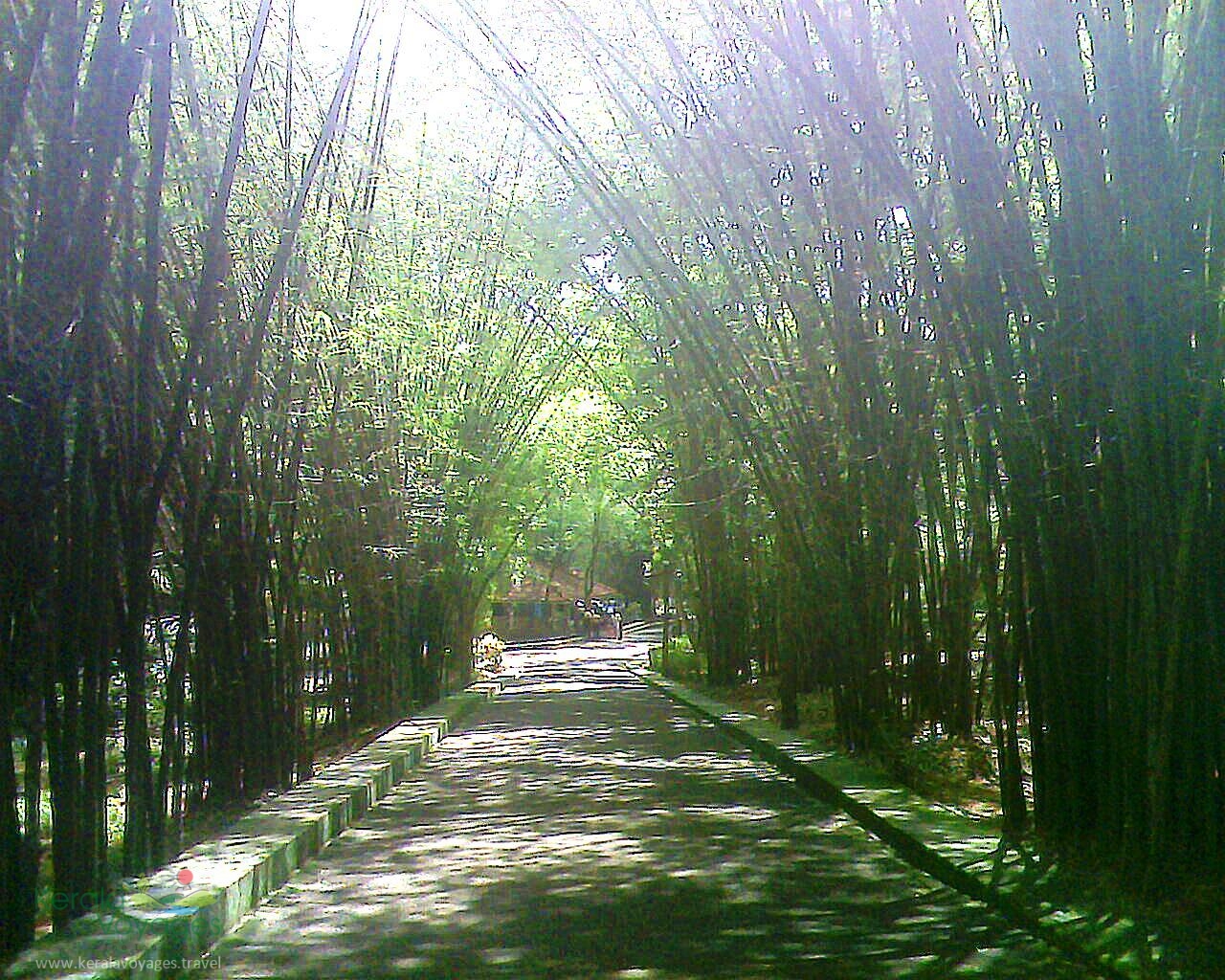 pectacular
Tea Plantations at Gudalloor.The main attraction of this drive is that you will drive through the Bandipur Wildlife Sanctuary. You will sight many wildlife on the way. Check into your resort in Bandipur.Afternoon go for a wildlife safari through the National Park. Overnight at Bandipur.
Bandipur National Park is one of the most fascinating wildlife centers, nestled in the foothills of the Nilgiri. As you penetrate deep into the forests, you can almost hear the mute conversations between the animals and the trees. There’s a lot, lot more to discover. Peafowl, patridges, quail, hornbill, giant squirrel, dhole (wild dog) elephants, sambhar, barking deer, etc. An endless variety of wildlife flourishes here and the trees sheltering them are even or beautiful. The green fauna and flora of these rain forests are unimaginable with a thick population of wild animals. If you opt for a safari, you will be taken deep into the forest in safari jeeps/vans escorted by the wildlife wardens.
Bandipur National Park is a playground for wildlife with elephants taking the lead role. Be prepared for an unforgettable experience-you might see a tiger prowling amidst the mix of deciduous and evergreen forest and scrubland vegetation. Set against the picturesque backdrop of the enchanting Nilgiri Mountains with their mist-covered peaks,Bandipur was once the Mysore Maharaja’s private hunting ground. It was brought under project Tiger in 1974. This is one of the best game sanctuaries in India to observe and phot ograph wildlife in close proximity.A temple perched atop Himavad Gopalaswamy Betta,the highest peak in the Bandipur range,is worth a visit.Bandipur National park has an area of 874.2 Sq.Km and flanked by Karnataka’s Rajiv Gandhi National Park to its northwest, Tamilnadu’s Mudumalai Wildlife Sanctuary to its Southwest and Kerala’s Wayanad Wildlife Sanctuary to its Northwest. Together these constitute the Nilgiri Biosphere Reserve. The Flora and Fauna are of deciduous and evergreen forsts and scrubland vegetation.Mammals include the tiger, leopard, elephant, gaur, sloth bear, Dhole, sambar, spotted deer, barking deer, mouse deer and the slender loris. Reptiles found are rat snake, Russell’s viper, common krait, Indian python, flying snake and the cobra. Over 200 species of birds have been identified making it a bird watchers’ paradise. Some of the most notable ones are the heron, stork, egret, grey jungle fowl, partridge, quail, green pigeon, hornbill, lapwing and peafowl.
Day 10 – Bandipur-Kabini (Nagarhole)
Morning, proceed to Kabini. On arrival, check in at the Hotel.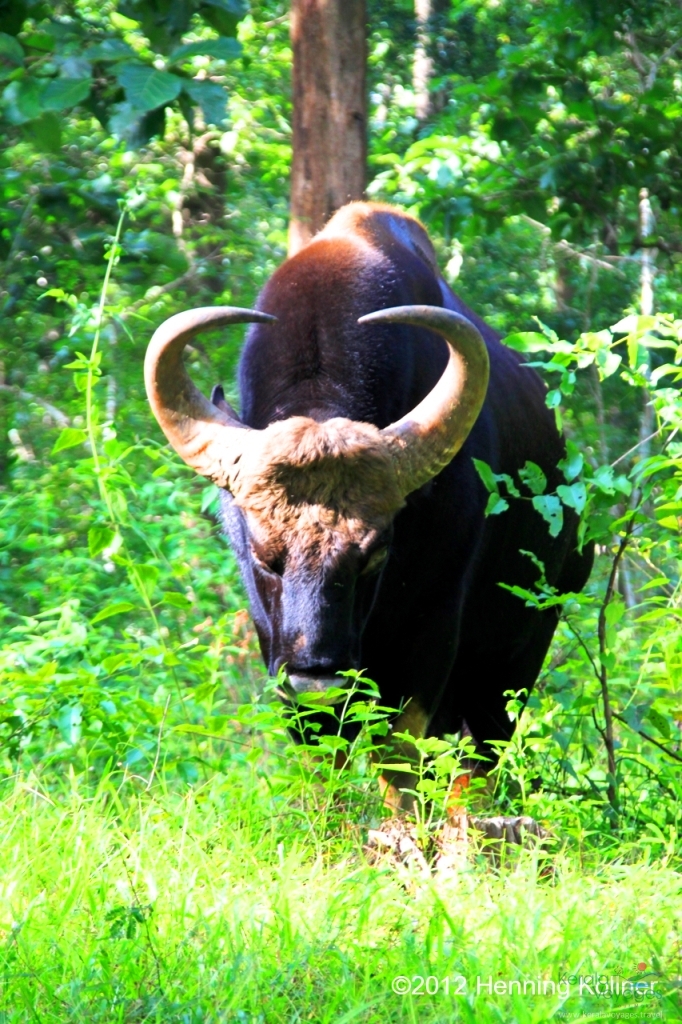 Evening go for a safari. Overnight at the Hotel in Kabani.
Nestled amidst the Karapur Forest lays a pristine piece of land that abounds with nature. Beckoning you to explore it for a wild exciting holiday. The steep valleys with rich forests, spectacular pools and rapids provide an ideal opportunity to revive your adventurous spirits.
Day 11 – Kabini
Early morning go for a guided Jeep Safari through the National Park. Rest of the day free for boating in the Kabini River or free walks. Overnight at the Hotel in Kabani.
Nagarhole , a Kannada name has meaning of Snake River. The name derives from the winding course of the river that flows through the forests. Nagarhole has an astonishing abundance of wildlife, especially the Asiatic elephant. The backdrop of the distant misty blue Brahmagiri Mountains, the natural sounds of the jungle, the gurgling of streams and rivers and the twittering of the birds, make a trip to Nagarhole a memorable experience. It has an area of 643.39 Sq.km. Covered mainly by moist and dry deciduous forests, and dominated by teak,rosewood and dry deciduous forests in the eastern limits of the peak. Mammals include elephant,tiger,leopard,wild dog, sambar, barking deer, sloth bear, wild boar, Indian bison, mouse deer, spotted deer, slender loris, black –naped hare, jackal, langur, wild pig, porcupine, Ma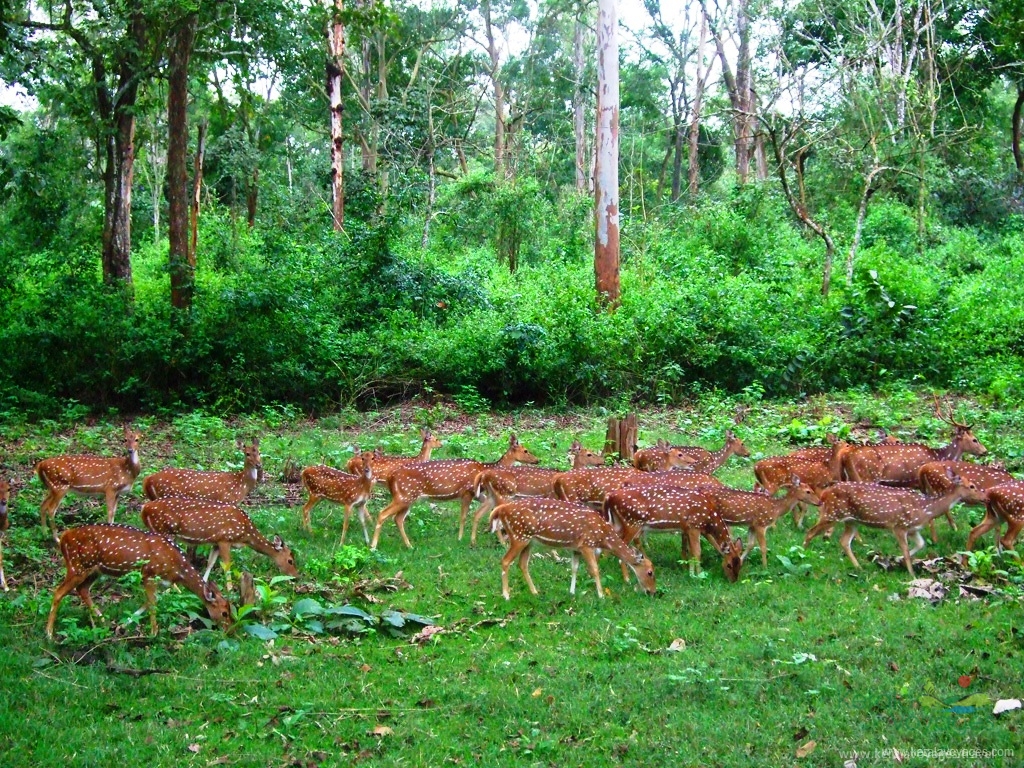 labar squirrel,s triped hyena and four – horned antelope. Birds in this Park consists mainly of Herons, storks, egrets, ducks, kites, egales, falcons, partridges, peafowl, lapwings, sandpipers, woodpeckers, sunbirds, wagtails, warblers, babblers, shrikes and owls. Reptiles commonly found are marsh crocodile,star tortoise,common indian monitor, chameleon, rat snake, Russell’s viper, common krait and Indian python.
Day 12 – Kabini-Vythiri
Breakfast at the resort. Later drive to Vythiri a unique hill station in the northern part of Kerala. Overnight at the resort in Vythiri.
Wayanad is one of the districts in Kerala that has been able to retain its pristine nature. Hidden away in the hills of this land are some of the oldest tribes, as yet untouched by civilization. Wayanad is known for its picturesque mist clad hill stations, sprawling spice plantations, luxuriant forests and rich cultural traditions. The aroma of the soil mingles with the wetness of the air and tingles our senses like the caress of a cool wind. Further, the little stream lowing creates a beautiful sound and whoever listens to it feels the beauty of nature. One gets easily mesmerized with the beauty of the surroundings there… At Vythiri, the entire philosophy revolves around this undying love. Even the rocks and boulders have been left in peace and the animals around the resort, undisturbed.A striking Jain temple, dedicated to Ananthanatha Swami represents one of the saints belonging to the Jain faith is situated just six kms from Kalpetta. This temple is in the wayanad district and is commonly known as Tippu’s fort. This is prominent as Tippu’s fort because Tippu used this place for storing ammunition. Hence, it gains the name sultans battery.
Day 13 – Vythiri
After breakfast at the resort, you may opt either to relax at the serenity of the resort or you may go for a sightseeing to the nearby Pookkot Lake, Soochippara Waterfalls, Kuruva Islands etc. Overnight at the resort in Vythiri.
Pookot Lake: Set in a beautiful valley and surrounded by evergreen forests and wooded hills, Pookote is one of Wayanad’s top visitor draws. This natural lake near Lakkidi is just a short distance off the National Highway 212.It has been developed as a recreational centre having boating facilities, children’s park, shop for souvenirs and spices, and a fresh water aquarium. Replete with a café and restaurant, this is a good setting for day outings with family.
Soochippara Waterfall: The waterfalls at Soochippara near Meppadi are really a treasu re of nature, yet to be discovered. The stretches of waterfalls ranging at places from 100 to 300 feet height are a treat to the eyes. The pool below provides for water rafting, swimming, bathing, etc. The tree top huts at Soochippara give a unique view of the valleys of the Western Ghats and the glimmering shallow waters of the surrounding spring.
The Kuruva Island, 950 acres of evergreen forest on the tributaries of east following river Kabani, is an ideal picnic spot, far away from the disturbance of city life. The island is uninhabited. Rare spicies of birds, orchids and herbs are the sovereigns of this supernal kingdom. It is 17 kms. east of Mananthavady and 40 kms. north west of Sulthan Bathery.
Day 14 – Calicut Departure (3 Hour Drive)
Like all good things,your holiday experience comes to an end but you will always take with you memories of this unique and unforgettable portrait. Today you will be assisted and transferred to Calicut International Airport to connect your flight home.


